


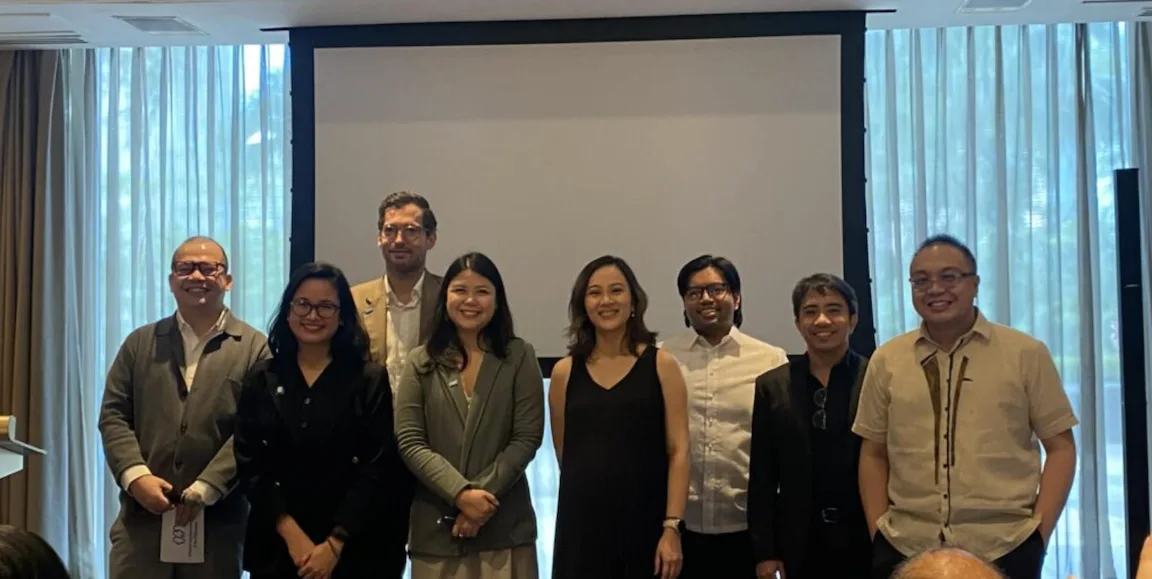
The Consumer Lending Association of the Philippines (CLAP) is urging stronger collaboration with the media to protect Filipino borrowers from predatory and illegal lending practices, stressing that accurate information and public education are essential to strengthening consumer protection across the country’s rapidly evolving lending landscape.
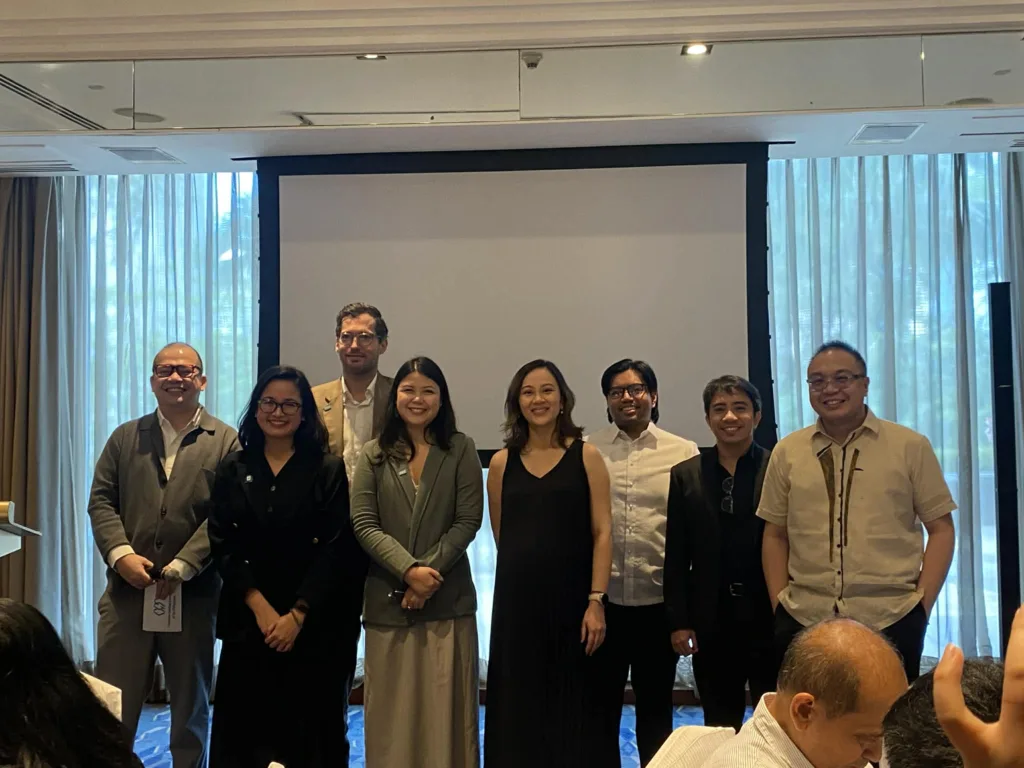
Speaking at a media briefing, CLAP officials outlined the growing challenges faced by borrowers — from deceptive online lending platforms to abusive debt collection methods — noting that journalists play an important role in guiding the public toward legitimate and regulated financial services.
CLAP Treasurer and Board Trustee Ira Franco, who also serves as Skyro’s Chief Operating Officer, presented the association’s framework anchored on the “Three E’s”: Enforcement, Engagement, and Education — which she described as the essential pillars of modernized lending practices.
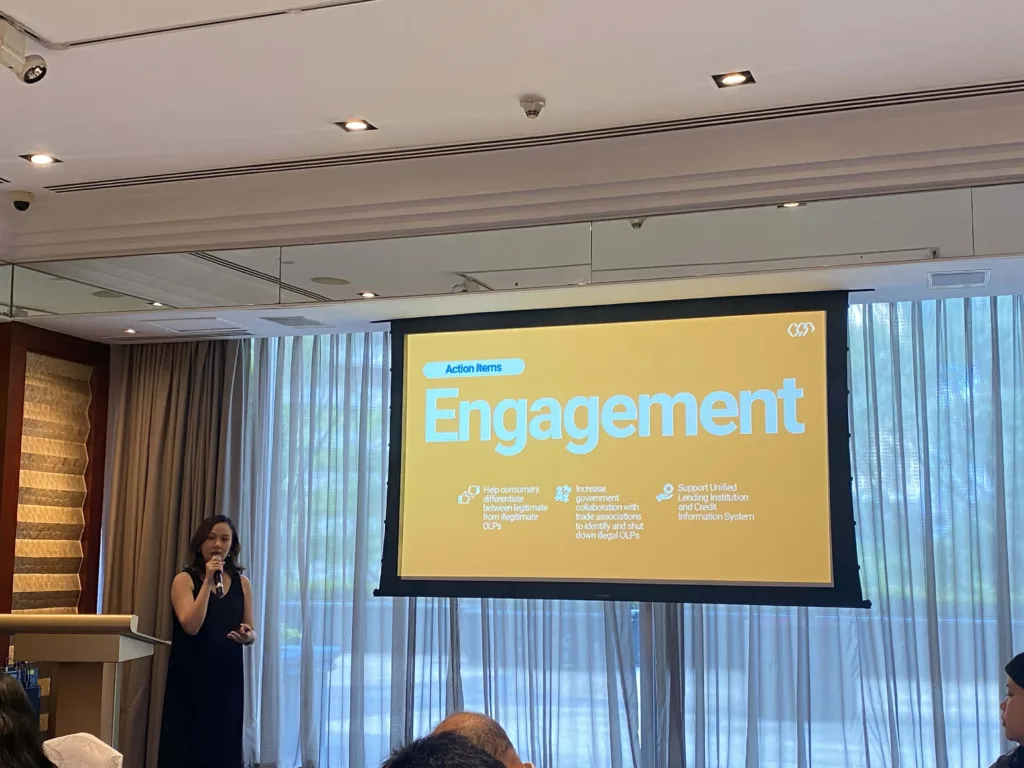
Franco said enforcement must begin with empowering regulators to swiftly remove illegal online lending platforms and sanction actors who exploit borrowers. She added that while CLAP members comply with regulatory standards, the broader ecosystem remains vulnerable due to social media channels, app stores, and third-party collection agencies that fail to block or penalize bad actors.
“There are fraud schemes proliferating everywhere, and these platforms have the power to help us weed them out,” Franco said. “Coordination with agencies — not just with the SEC but also those with police powers — will be very important in keeping our industry safe.”
Beyond enforcement, Franco highlighted the need for deeper industry engagement, including collaboration with regulators, trade groups, and technology partners to help disrupt illegal lending operations. She said improved information-sharing and more accurate credit decision tools could eventually reduce interest rates by enabling more efficient risk assessment.
CLAP pushes transparency, digital identity education
CLAP is also supporting the rollout of the Unified Lending Institution Number (ULIN) and enhancements within the Credit Information Corporation (CIC), which the group says are critical to building a more secure and transparent lending environment.
Discussing the final pillar — education — CLAP President and TALA External Affairs Director Atty. Arianne Ferrer underscored the importance of financial literacy for Filipinos navigating an increasingly digital financial ecosystem.
“In this age of artificial intelligence, we have to keep learning and upskilling,” Ferrer said. “Education is not just about financial choices — it is about understanding digital identity and how we are seen by banks, fintechs, and online systems that determine our access to credit.
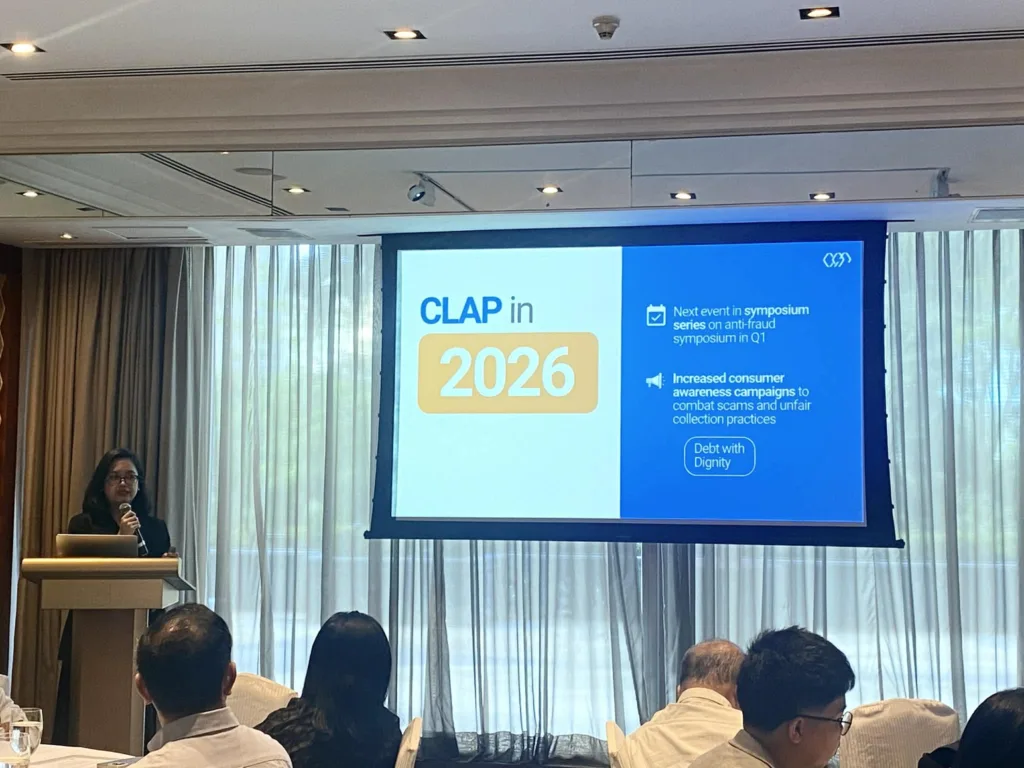
Ferrer said CLAP will continue organizing events with regulators to combat fraud and scams, citing the success of its Decoding Deceit: A Financial Fraud Forum, which gathered more than 100 public- and private-sector stakeholders earlier this year.
A key initiative for 2026 is the rollout of “Debt with Dignity,” a nationwide consumer awareness campaign encouraging borrowers to report harassment, threats, fraud, and other unethical practices. Ferrer emphasized that taking on debt is a normal part of financial life and becomes a productive tool when used responsibly.
“Debt is not something to be ashamed of,” she said. “With less shame, consumers are more empowered to seek remedies and report abusive behavior.”
New guides aim to help borrowers avoid scams
CLAP is preparing new symposia and collaborative programs for 2026 focused on fraud prevention, lender identity verification, and expanded information exchange among member institutions.
These efforts aim to equip financial analysts, fraud teams, and IT security specialists with updated tools to counter rising online scams and identity-based fraud.
As part of its consumer education push, the association plans to release accessible guides on responsible borrowing, debt management, and identifying legitimate lending platforms.
CLAP is also working with industry groups on a unified Code of Conduct that will help the public distinguish responsible lenders from predatory ones.
“Filipinos deserve protection from abusive practices and access to fair, formal credit,” CLAP said in a statement. “With the media as an active partner, our efforts to curb fraud and empower borrowers can reach the communities that need them most.”