


The Bangko Sentral ng Pilipinas (BSP) said inflation remains firmly within target and monetary easing is nearing its end, even as it pushes ahead with major payment system upgrades aimed at making both domestic and cross-border transactions more seamless.
In a statement on the medium-term inflation path, the BSP reported that January 2026 inflation settled at 2.0 percent, within its forecast range of 1.4 to 2.2 percent.
The central bank said inflation expectations remain well anchored, with price growth projected to stay within the 3.0 percent ± 1.0 percentage point target for both 2026 and 2027.
“The inflation outlook continues to be benign,” the BSP said, signaling that price pressures remain manageable despite a softer domestic growth environment.
The Monetary Board, however, noted that domestic economic activity has weakened further, citing declining business sentiment driven by governance concerns and uncertainty over global trade policies.
Still, it expects domestic demand to recover gradually as the impact of earlier monetary easing feeds through the economy and as public spending improves.
BSP nears end of easing, rolls auto-debit
On policy direction, the BSP said its easing cycle is “nearing its end,” with any further rate cuts likely to be limited and dependent on incoming data. The Monetary Board is set to meet on February 19 to reassess macroeconomic conditions and determine the appropriate policy stance.
While keeping a close watch on inflation and growth, the central bank is also accelerating structural reforms in payments infrastructure to support consumption and business activity.
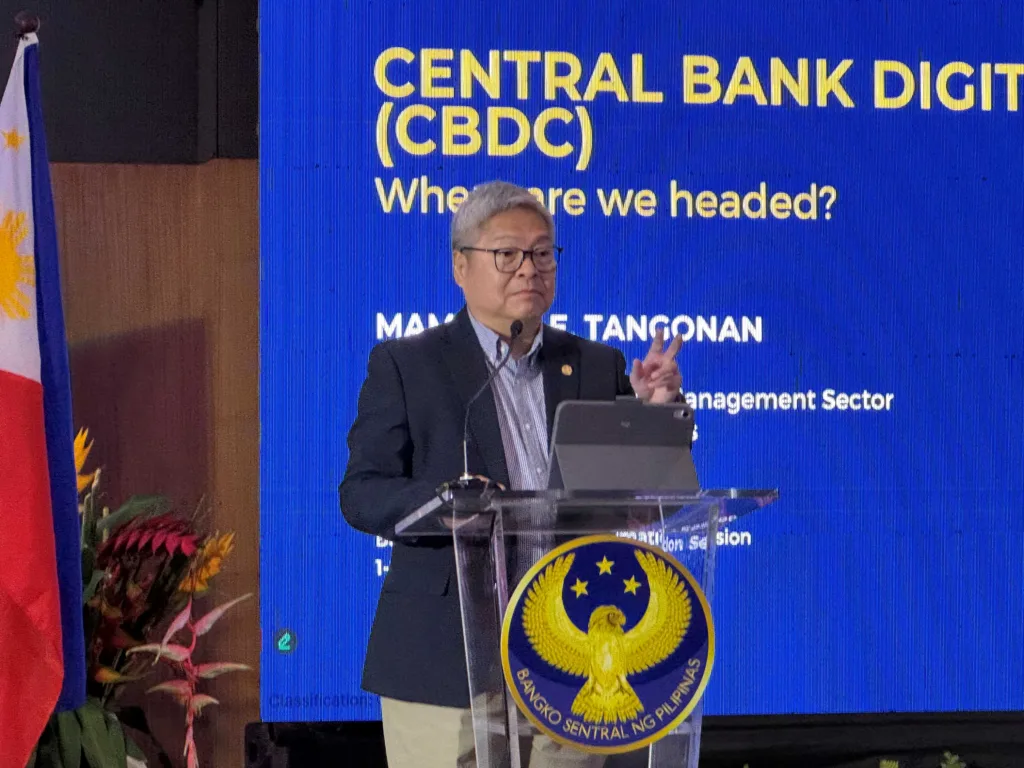
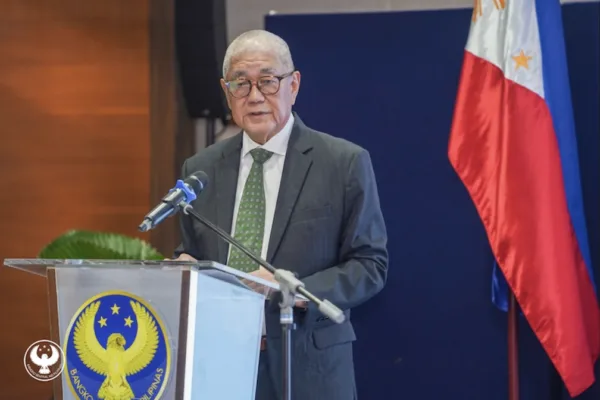
BSP Deputy Governor Mamerto Tangonan
BSP Deputy Governor Mamerto Tangonan said the central bank is preparing to roll out an interoperable auto-debit facility for bill payments this year, following a pilot in 2025. Unlike current arrangements that typically require a customer’s bank and the biller’s bank to be the same, the new system will allow cross-bank auto debits.
“With this new system, if your bank account is in Bank A and, for example, the condominium you bought is financed by Bank B, that will already be possible. At present, you have to be in the same bank,” Tangonan told reporters.
The initiative is expected to reduce friction for consumers and improve collection efficiency for billers, particularly for recurring payments such as utilities, association dues and loan amortizations.
PH-Malaysia QR link boosts ASEAN payments interoperability
Beyond domestic payments, the BSP is also moving ahead with cross-border QR payment linkages as the Philippines assumes the chairmanship of the Association of Southeast Asian Nations (ASEAN) this year.
Tangonan said the Philippines will launch its QR payment linkage with Malaysia in 2026, allowing Malaysian visitors to pay using their DuitNow-enabled apps at Philippine merchants. Transactions will be routed through the country’s InstaPay system and bridged to Malaysia’s national QR rails.
“So it means that Malaysian visitors, when they come here, they can buy stuff using their QR. They can ride our trains and our bus,” he said.
The Malaysia linkage will operate alongside regional initiatives such as Project Nexus, but Tangonan clarified that users only need DuitNow-enabled apps to transact in the Philippines.
The BSP has framed these developments as part of its digital payments transformation roadmap, which aims to expand electronic payments usage and deepen financial inclusion.
With inflation within target and policy easing close to its limit, the central bank appears focused on using payments interoperability and cross-border connectivity as complementary tools to support economic activity — making it easier for households to pay their bills and for visitors to spend, while keeping price stability firmly in sight.