


This news is a perfect Christmas gift for the local fintech ecosystem! Just as Filipinos wrap up their final holiday shopping sprees and prepare for the Noche Buena feast, the Bangko Sentral ng Pilipinas (BSP) has delivered a long-term present for the country’s digital economy.
In a strategic move that promises to streamline everything from “e-aguinaldo” transfers to cross-border remittances, the central bank has officially mandated the adoption of the ISO 20022 standard for all retail payment systems.
According to the newly released Circular No. 1223, the Philippines is finally ending the “language barrier” in digital finance.
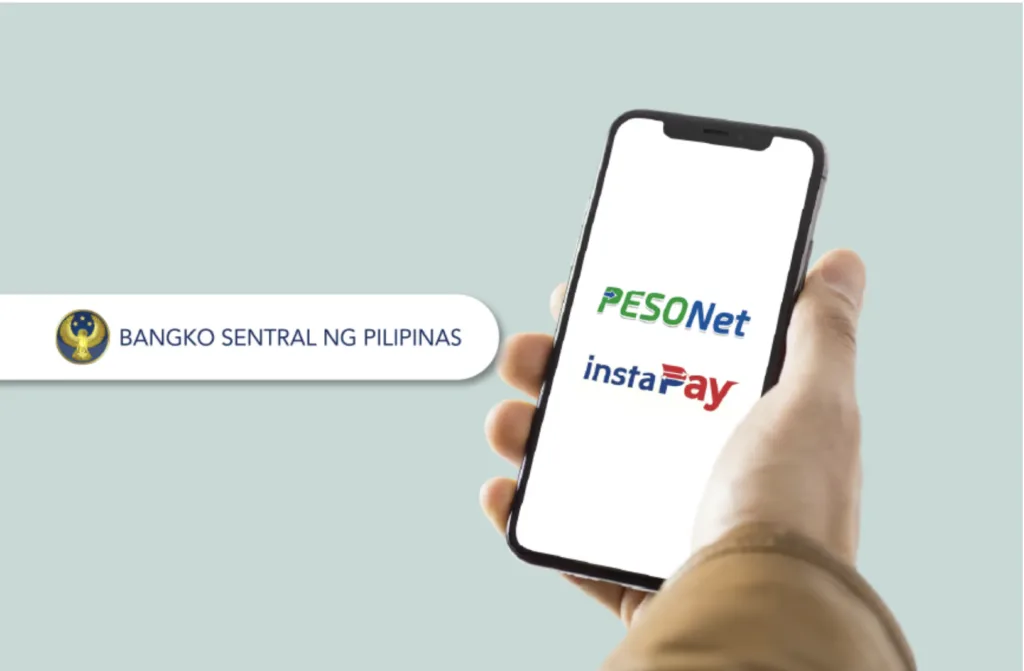
By requiring every player in the retail payment space to speak the same global technical language, the BSP is ensuring that our domestic systems like InstaPay and PESONet are perfectly in sync with the rest of the world. While the name sounds like dense technical jargon, the benefits are as practical as a well-planned Christmas dinner.
Currently, while many banks already use ISO 20022, the implementation across the industry has been inconsistent and fragmented. This “dialect” difference between financial institutions often leads to those frustrating “transaction pending” moments or agonizing delays in resolving failed transfers. By shifting the game from “voluntary” to “mandatory,” the BSP is forcing a unified approach to how electronic data is exchanged, effectively retiring the fragmented data silos that have slowed down the ecosystem for years.
What this means for the Noche Buena rush
For the average consumer, this policy shift is about making sure money moves faster and safer, with fewer “lost in translation” errors when crossing digital borders.
By adopting this global standard — developed by the International Organization for Standardization and backed by the Bank for International Settlements (BIS) — the Philippines is aligning its domestic rails with the G20’s goals of making remittances cheaper and more transparent.
The impact is a structural renovation that offers tangible benefits across the board. For consumers, the biggest win is Faster Dispute Resolution.
Because ISO 20022 messages carry richer, more granular data, banks won’t have to “play detective” or “guess” the details of a failed transfer. When a payment goes missing during the busy holiday rush, the system will provide complete transaction details that allow for near-instant tracking.
For the business community, the “reconciliation nightmare” is finally nearing its end. Many MSMEs currently struggle with manual processing, trying to match incoming payments to specific orders. The new standard allows for significantly better invoice tracking, reducing manual labor and allowing for more accurate reconciliation.
Financial institutions also gain a massive advantage: Streamlined compliance.
Richer data means more effective Anti-Money Laundering (AML) checks and deeper insights into customer behavior, all while ensuring seamless interoperability with international banks.
BSP’s two-year roadmap to global harmony
The BSP isn’t expecting a “Miracle on P. Ocampo Street” overnight.
Recognizing that a massive digital overhaul of this scale can’t happen in a single festive season, Circular No. 1223 provides a two-year phased implementation period.
This strategic buffer gives local players, from established universal banks to emerging digital wallets, enough breathing room to upgrade their legacy systems without disrupting the millions of digital transactions Filipinos make daily.
To shepherd the industry through this monumental change, the BSP is establishing the ISO 20022 Harmonization Industry Project Team.
This body will lead the coordination efforts, acting as the conductor to ensure that every digital wallet, traditional bank, and payment gateway is singing from the same financial hymn sheet by the deadline.
As we head toward 2026, this move signals that the BSP isn’t just looking at local growth — it’s preparing the Philippines to be a seamless, high-speed hub for the global digital economy.
The era of fragmented, inconsistent payment data is coming to a close, replaced by a world-class infrastructure ready to compete on the international stage. It is, indeed, a gift that will keep on giving for years to come.