


The Bangko Sentral ng Pilipinas (BSP) expects the country’s external sector to undergo an “orderly but gradual adjustment” over 2026 and 2027, as global uncertainties and structural constraints continue to weigh on the balance of payments (BOP).
In its latest outlook, the central bank said the Philippines’ external position will likely remain under pressure amid a challenging global environment. Growth worldwide remains below pre-pandemic levels, while global trade is seen losing momentum as tariff-driven front-loading fades.
At the same time, geopolitical tensions — particularly in the Middle East — pose downside risks through higher energy prices and bouts of risk-off sentiment in financial markets.
These external headwinds are expected to influence the country’s BOP largely through cost and confidence channels, rather than sharp declines in trade volumes.
Export growth slows amid demand, structural constraints
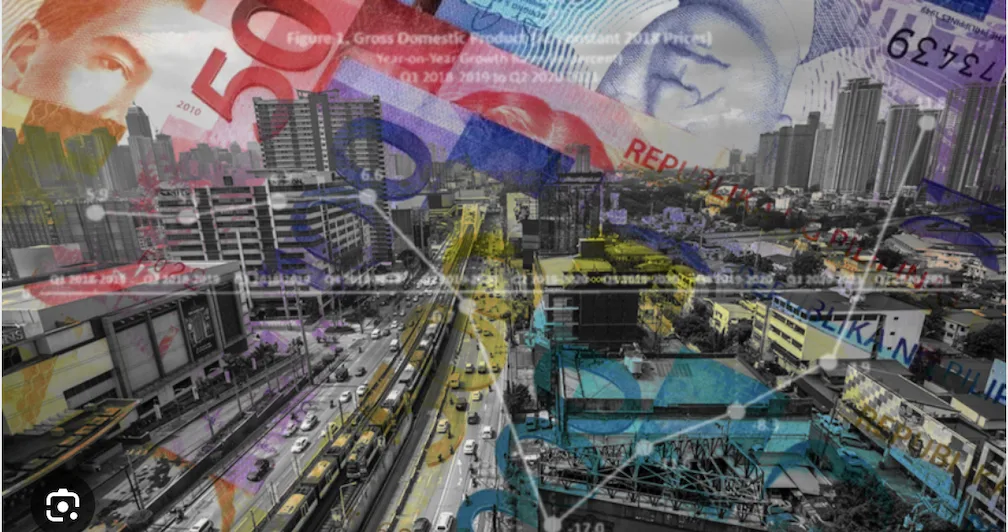
IMAGE CREDIT: stock.adobe.com
After a strong rebound of around 15 percent in 2025, goods exports are projected to expand at a more modest pace of 3.0 percent in 2026 and 4.0 percent in 2027. The BSP attributed the slowdown to inventory normalization, softer global demand, and rising trade costs.
Despite this, some sectors are expected to provide support.
Electronics exports — one of the country’s key drivers — are seen benefiting from sustained demand for artificial intelligence-related peripherals, electric vehicle components, and data center equipment.
Meanwhile, agri-food exports are likely to gain from steady global demand for coconut-based products.
However, the BSP flagged persistent structural challenges that continue to constrain export growth. These include high electricity costs, regulatory inefficiencies, and logistics bottlenecks, all of which limit the country’s ability to scale supply.
Rising oil prices drive import growth pressures
IMAGE CREDIT: shutterstock.com
On the import side, rising prices — particularly for oil — are expected to play a dominant role. Goods imports are projected to grow by 5.0 to 6.0 percent over the next two years, driven largely by elevated energy costs.
Capital goods imports are expected to remain supported by private sector investment, although a slowdown in public infrastructure spending may temper overall growth in the near term.
At the same time, services imports — especially outbound travel — are projected to outpace services exports, adding further strain to the external balance.
Taken together, these trends point to a measured adjustment in the Philippines’ external position, with risks tilted to the downside.
Still, the BSP maintains that the country’s external sector remains broadly resilient, supported by steady demand in key export segments and continued investment activity.