



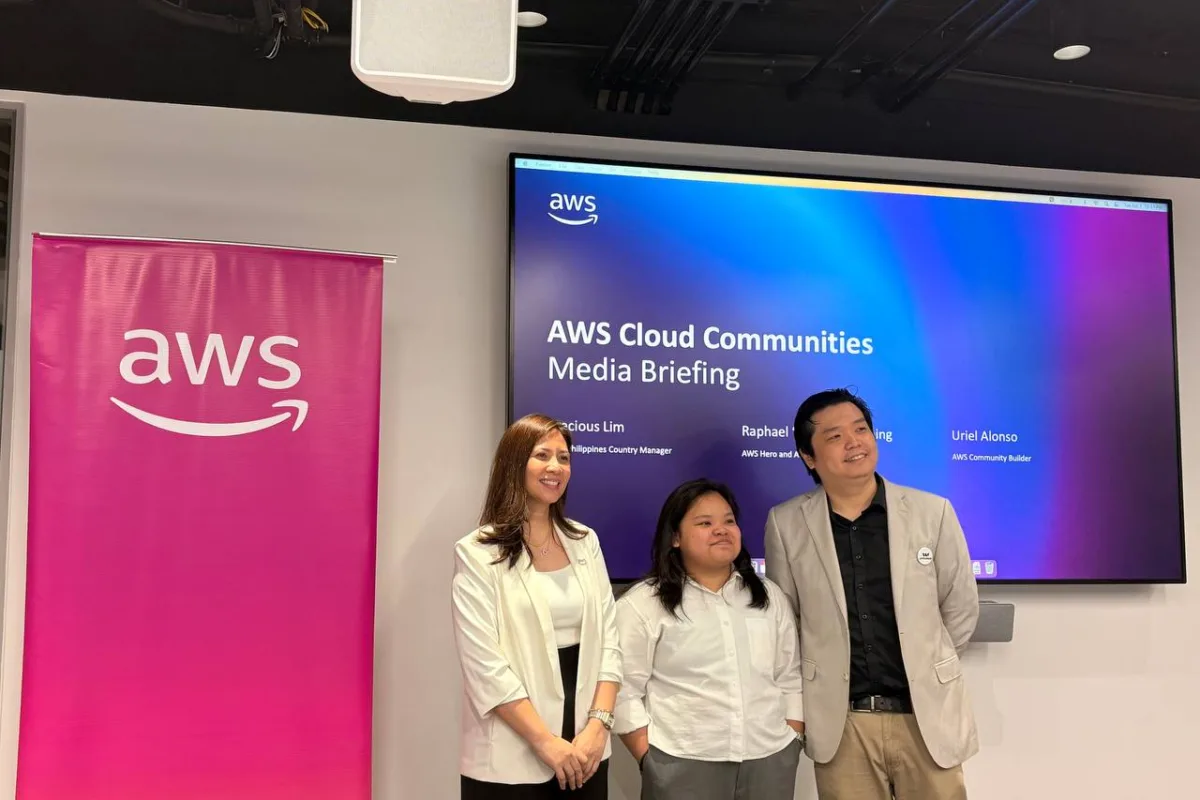
Amazon Web Services (AWS)‘s digital skills initiatives in the Philippines are set to take center stage in 2026 as the company accelerates efforts to equip Filipinos with cloud and artificial intelligence (AI) capabilities.
With adoption rapidly increasing across industries, the company is expanding its focus on accessible training, community-driven learning, and nationwide talent development to help bridge the country’s persistent digital skills gap.
Scaling digital skills for a cloud-first economy
The urgency behind the cloud giant’s digital skills program in the Philippines reflects the country’s accelerating digital transformation. As organizations adopt AI at scale, the demand for skilled professionals continues to rise, highlighting the need for more inclusive and scalable training pathways.
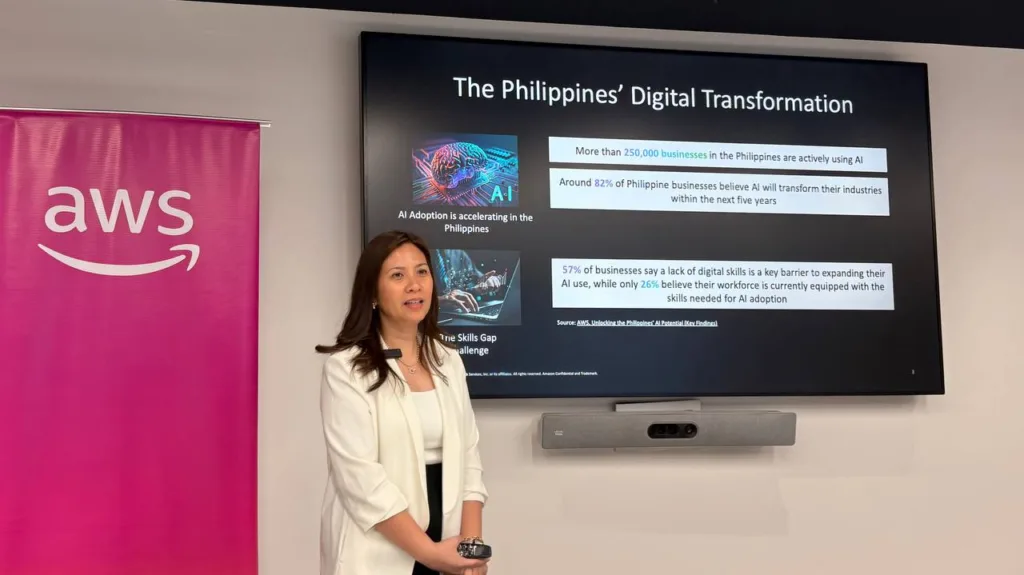
AWS Philippines Country Manager Precious Lim underscored this shift, stating, “The Philippines is really at a deflection point when it comes to digital transformation… because of what we are observing in terms of artificial intelligence, cloud, and new technologies.”
She added that while adoption is growing, workforce readiness remains limited, noting that only a small portion of organizations feel fully equipped for AI implementation. This gap is driving the company to work closely with public sector partners and industry players to expand access to cloud and AI education.
As part of its 2026 priorities, the cloud giant continues to invest in platforms like AWS Skill Builder and form partnerships with institutions such as TESDA and DepEd to ensure that learning is both flexible and widely accessible.
Community-driven learning gains momentum
At the core of the company’s digital skills strategy is its thriving ecosystem of Cloud Communities, which has grown into a nationwide network of more than 30,000 members.
These communities provide an alternative learning pathway — one that is peer-driven, hands-on, and aligned with real industry needs.
From workshops and hackathons to community days, participants gain practical experience that complements formal education.
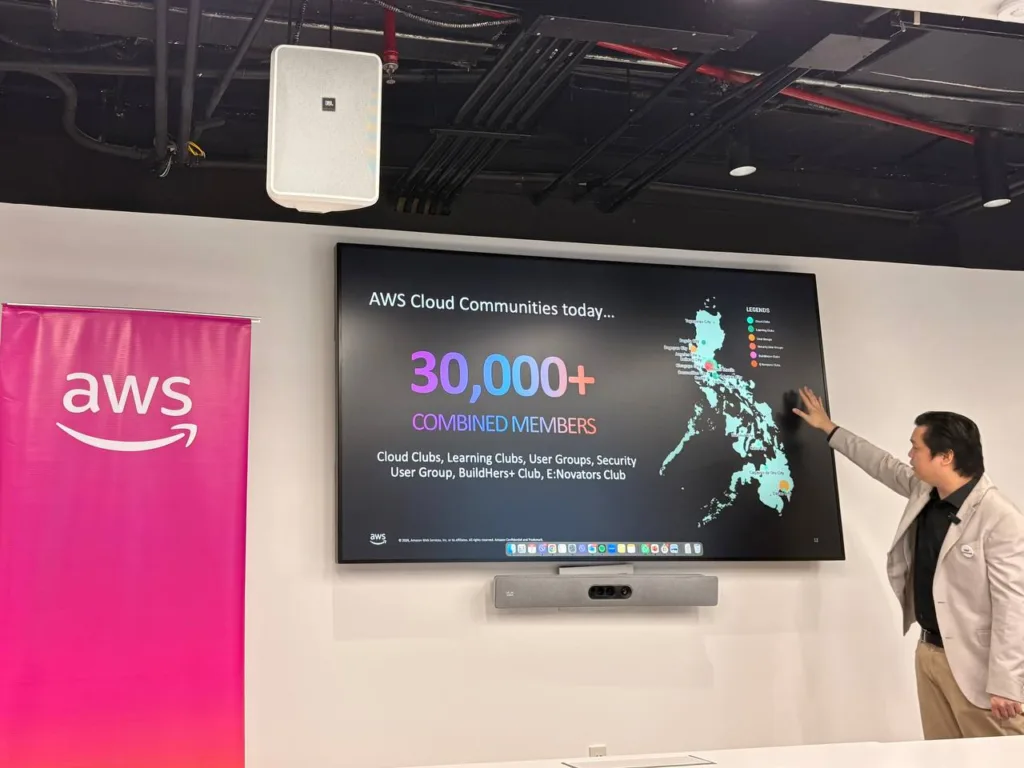
AWS Community Lead Raphael Quisumbing highlighted the importance of this model, explaining, “Consistency builds trust… if you’re consistent, it’s not a fly-by-night community… and because of that consistency, it has naturally evolved.”
He also emphasized how community-led learning adapts quickly to industry trends, ensuring that members stay relevant in areas such as AI and cloud innovation.
This grassroots approach has enabled its communities to expand beyond Metro Manila, reaching emerging tech hubs across Luzon, Visayas, and Mindanao.
Unlocking opportunities for Filipino talent
Beyond training, the company’s digital skills initiatives in the Philippines are transforming careers and opening global opportunities for Filipino talent. Community programs have enabled individuals — from students to career shifters — to transition into cloud and AI roles.
One compelling example is Uriel Alonso, who shared, “If you met me years ago, I’m someone who thought I didn’t belong in tech.”
Through community support and the cloud giant’s programs, she eventually transitioned into a technical role and now leads initiatives supporting underrepresented groups in tech.
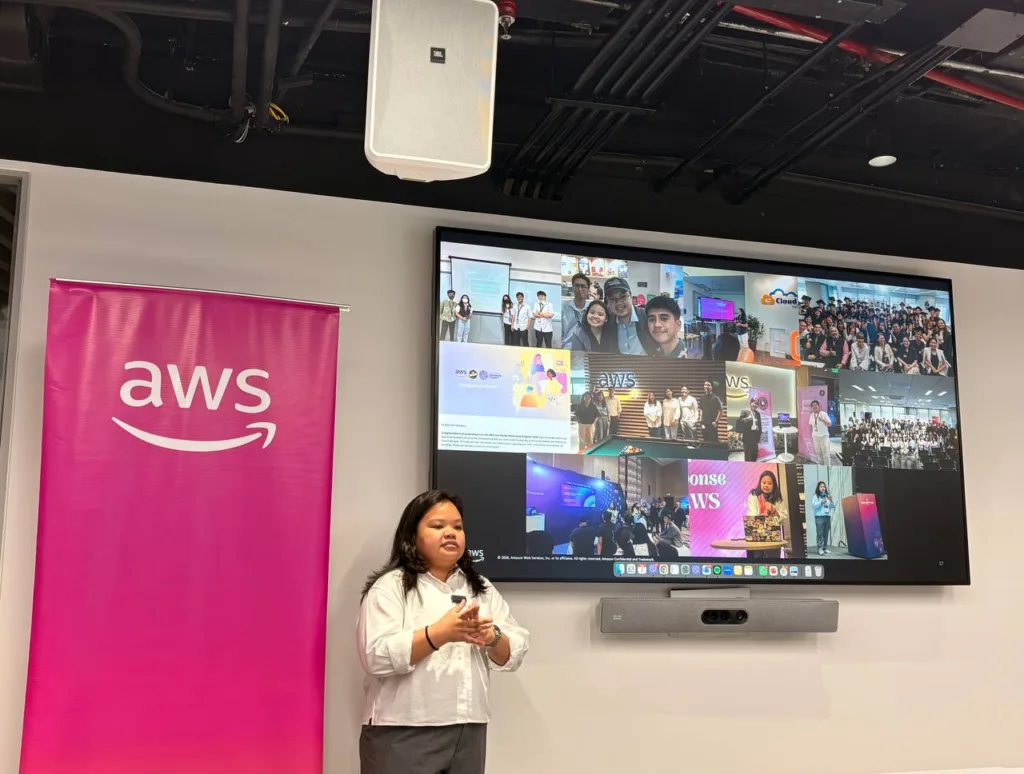
Its leaders also emphasized that entering the field is more accessible than many assume. During the session, community representatives noted that “it is very, very feasible… most of the people from the community have zero knowledge” when they start, reinforcing the inclusivity of these programs.
With industries like fintech, telecom, and e-commerce increasingly relying on AI-driven solutions, the demand for cloud-skilled professionals is expected to grow further — creating more opportunities for Filipinos to compete globally while working remotely.
Shaping the next wave of digital talent
Looking ahead, the cloud giant is set to deepen its digital skills initiatives in 2026 by scaling community programs, strengthening partnerships, and expanding access to cloud and AI training nationwide.
As Precious Lim noted, “There is a huge opportunity to get our Filipinos become better skilled in AI, cloud, and new technologies.” By combining structured learning with community-driven support, we are helping build a future-ready workforce — one that can power the Philippines’ next phase of digital growth.