


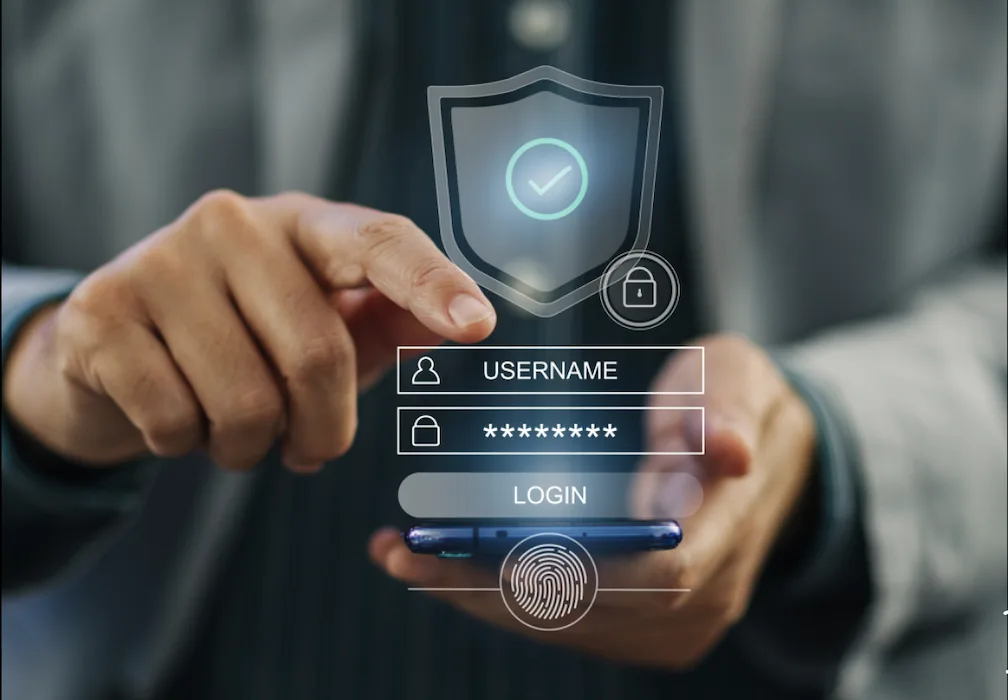
As Philippine banks race to deploy passkeys, biometrics, and stronger authentication controls, a quieter but more dangerous gap is opening elsewhere: account recovery.
Login security has improved dramatically over the past few years. Passwordless sign-ins, facial recognition, and fingerprint authentication are no longer experimental.
They are fast becoming standard across mobile banking apps. But when customers forget devices, lose phones, or trigger fraud alerts, they are often pushed into recovery processes that rely on weaker, legacy checks. For attackers, that mismatch has become an opportunity.
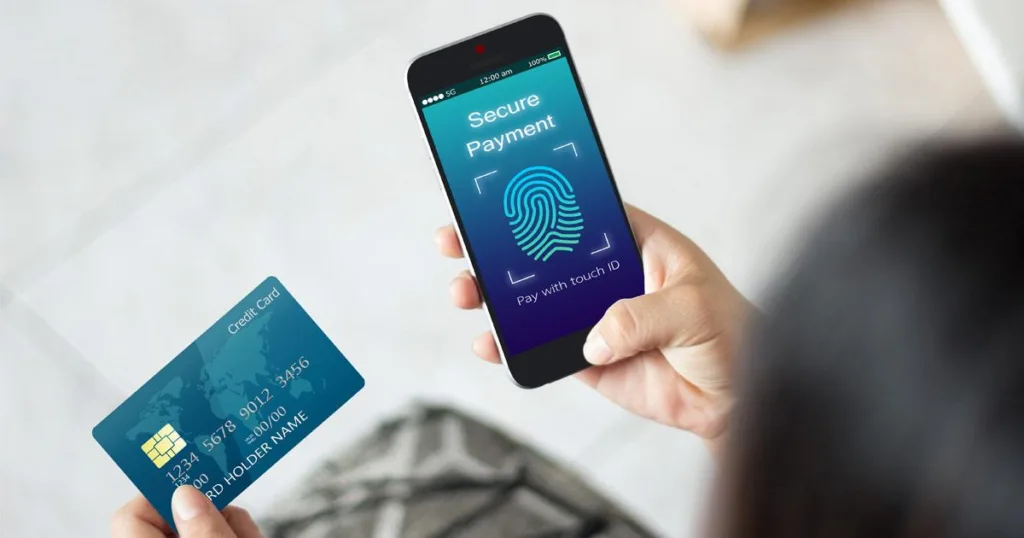
Cybersecurity specialists increasingly warn that account recovery, not login, is now the softest target in digital banking. As defenses harden at the front door, fraudsters are probing the side entrances.
Strong logins, weak recovery paths
Modern authentication systems are designed to make unauthorized access extremely difficult. Passkeys bind credentials to a device. Biometrics link access to a physical human trait. These controls significantly reduce phishing and credential-stuffing attacks.
Account recovery, however, must balance security with accessibility. Customers expect to regain access quickly when something goes wrong. In practice, many banks still rely on knowledge-based questions, one-time passwords (OTPs), email resets, or call-center verification to restore accounts. These methods are easier to bypass, especially when attackers already possess leaked personal data.
This imbalance is not hypothetical. Global security firms have documented how fraud rings exploit recovery flows after failing to breach logins directly. A recent analysis by Transmit Security notes that while banks invest heavily in authentication, recovery remains “notoriously difficult to implement securely,” creating a gap that bad actors actively target.
In effect, banks may be building vault-grade doors while leaving the emergency exit unsecured.
Why recovery is harder to secure
Unlike logins, which can be standardized and automated, recovery scenarios are highly variable. A customer might have a lost phone, a damaged SIM, or limited access to registered email accounts. Each exception introduces human judgment, and human judgment is harder to secure than cryptography.
Call centers, in particular, remain vulnerable. Social engineering attacks often focus on convincing agents to reset access using partial information. Even when banks follow scripts, attackers can exploit time pressure, empathy, or confusion. The more fragmented the recovery process, the more surface area attackers can exploit.
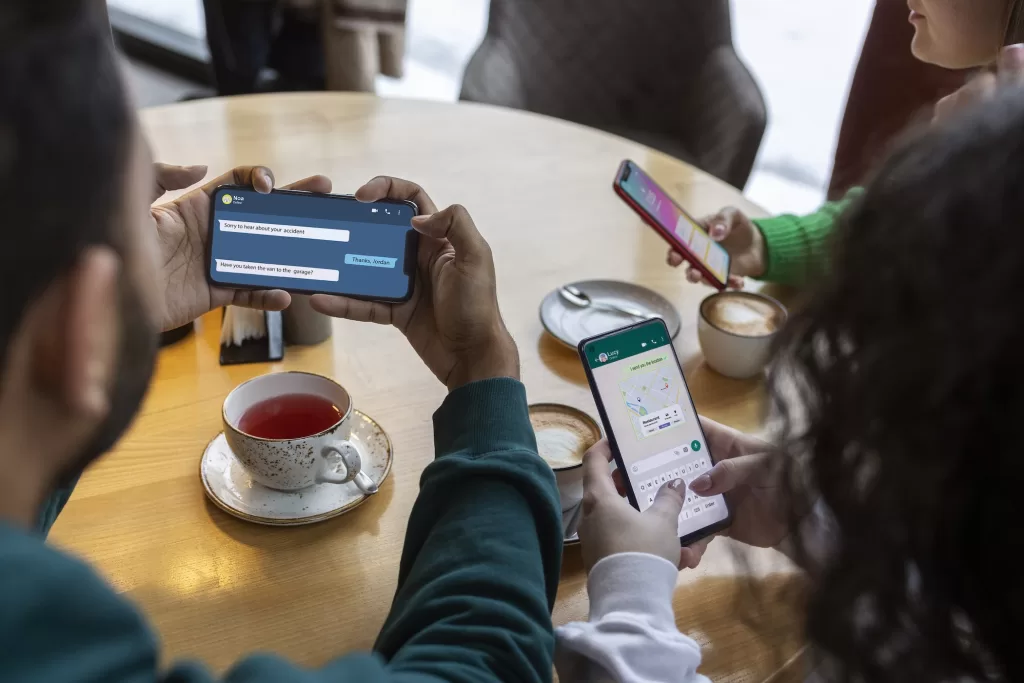
In the Philippine context, this challenge is amplified by the country’s mobile-first banking behavior. Smartphones are the primary gateway to digital finance for millions of users. When that device is lost or compromised, recovery becomes urgent—and urgency is precisely what fraudsters rely on.
BSP rules raise the bar—but not evenly
The Bangko Sentral ng Pilipinas has already pushed banks toward stronger identity verification. BSP Circular No. 1213 requires financial institutions to adopt more robust customer identification and authentication controls, including multi-factor and biometric-based methods.

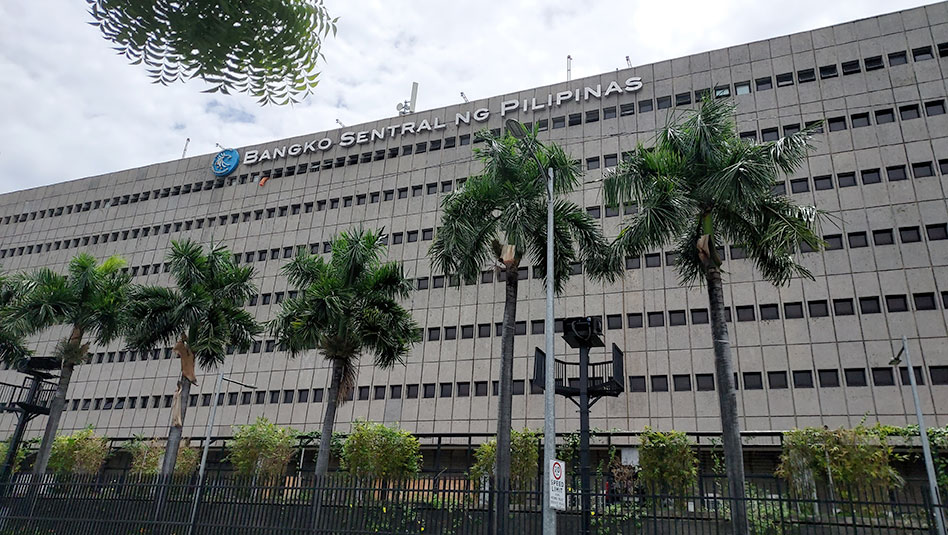
While the circular strengthens onboarding and login security, it does not automatically solve recovery weaknesses. If recovery flows are treated as operational back-office processes rather than core security functions, they risk lagging behind regulatory intent.
This creates a paradox: banks may technically comply with authentication requirements while still exposing customers to account takeover through recovery loopholes. For regulators, this raises questions about whether existing controls are being applied consistently across the entire customer lifecycle.
The attacker’s playbook is evolving
Fraudsters adapt quickly to defensive changes. As phishing becomes less effective against passkeys, attackers pivot to identity reconstruction. They combine breached databases, social media footprints, and public records to impersonate legitimate users during recovery attempts.

Synthetic identity fraud further complicates the picture. Attackers can blend real and fabricated information to create convincing profiles that pass basic verification checks. If recovery relies on static data points, such as birthdates or addresses, those checks lose value over time.
For banks, this means that recovery can no longer be an afterthought. It must be designed with the same rigor as login security, including continuous risk assessment and behavioral analysis.
Rethinking recovery as a security function
Security experts argue that recovery should be treated as a controlled re-authentication event, not a customer service exception. That shift requires tighter integration between fraud detection systems, identity verification tools, and human review.
Some institutions are exploring step-up verification during recovery, such as biometric re-enrollment, device reputation checks, or real-time risk scoring. Others are reducing reliance on knowledge-based questions altogether, recognizing that personal data is no longer private.
For Philippine banks, the challenge is balancing inclusivity with security. Not all customers have access to the latest devices or stable connectivity. Recovery systems must accommodate those realities without defaulting to the weakest controls.
What this means for digital banking trust
Trust is the foundation of digital finance. Customers may never notice a successful login defense, but they will remember a compromised account. If recovery becomes the primary breach point, it threatens confidence in mobile banking at a time when adoption is accelerating.
As banks modernize authentication, recovery must evolve in parallel. Otherwise, the industry risks repeating a familiar cycle: deploying advanced technology while attackers exploit overlooked processes.
Account recovery is no longer just an operational concern. It is emerging as one of the defining cybersecurity battlegrounds for digital banking in the Philippines, and how institutions respond may shape customer trust in the years ahead.