


As digital finance adoption accelerates in the Philippines, industry leaders are raising concerns over a growing threat: fraud is becoming more organized, more sophisticated, and harder to contain.
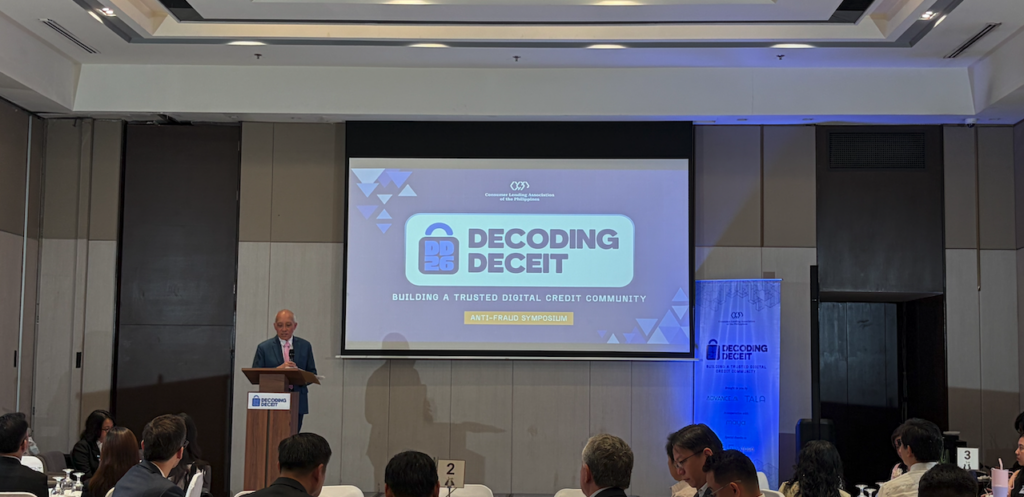
Insights emerging from a Consumer Lending Association of the Philippines (CLAP)-led anti-fraud symposium point to a shift in how scams operate today.
What were once isolated incidents are now coordinated efforts, with groups exploiting lending platforms through tactics such as “loan farming,” where individuals are coached to manipulate identities and maximize loan approvals.
At the same time, fraudulent activity is migrating across platforms. While social media once served as a primary channel, activity is increasingly moving to encrypted messaging apps, making enforcement and monitoring more difficult.
Trust at risk in a growing digital economy
The scale of the problem is becoming more visible. Industry data shared during the discussions shows the Philippines among the highest globally in suspected digital fraud rates, with a large portion of the population already exposed to scams.
But beyond financial losses, stakeholders highlighted a deeper concern: trust.
Each successful scam weakens confidence in digital financial services, particularly among new users. As adoption grows, CLAP believes this erosion of trust risks slowing financial inclusion and pushing some users back toward traditional cash-based systems.
Shifting from response to prevention
A key takeaway from the symposium is the need to move away from reactive approaches toward prevention.
Stakeholders emphasized faster response systems, including the ability to flag and temporarily hold suspicious transactions before funds are withdrawn.
With digital transactions happening in seconds, speed is critical. Even short delays can make recovery difficult, shifting the focus toward early detection and disruption.
Public education is also being repositioned as a frontline defense. Efforts are evolving toward more accessible formats, including short-form content and digital tools that help users verify financial entities and recognize emerging scam tactics.
Collaboration becomes central
Another clear theme is the need for stronger coordination across the ecosystem.
Financial institutions, regulators, telcos, and platforms are being urged to work more closely, sharing intelligence and responding collectively to threats.
Policy developments such as the Anti-Financial Account Scamming Act (AFASA) are reinforcing this direction, enabling institutions to act more quickly and collaborate more openly in disrupting fraudulent activity.
However, smaller players may face challenges in meeting new requirements, particularly in upgrading security infrastructure. Industry discussions suggest shared systems and pooled resources as potential ways to address these gaps.
Preparing for AI-driven threats
Looking ahead, fraud is expected to become even more complex with the rise of artificial intelligence.
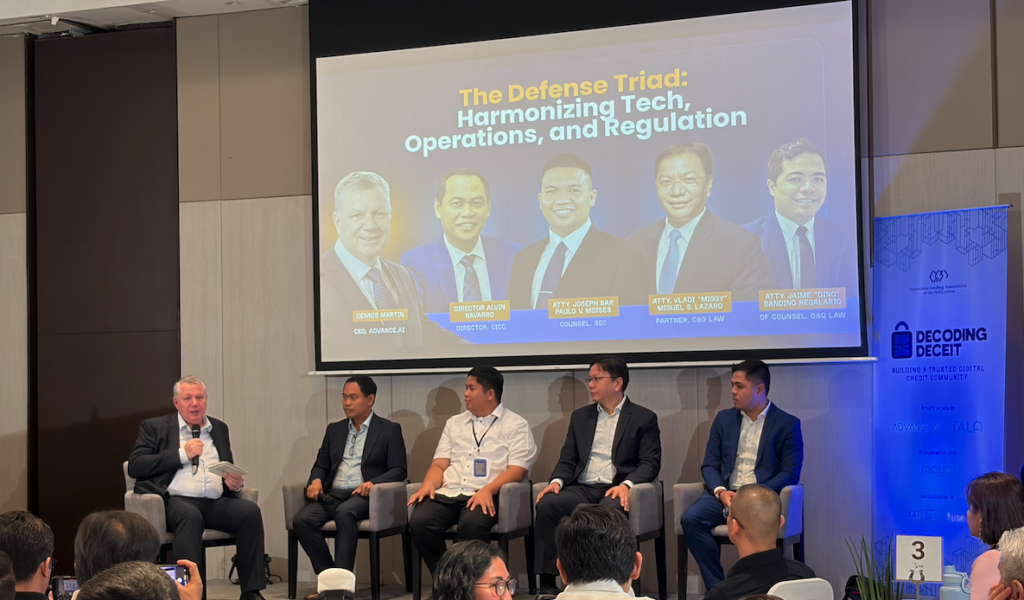
Participants noted that AI is already being used to create more convincing scams, from automated phishing to deepfake-based deception. In response, financial institutions are expected to deploy their own AI-driven defenses, creating an environment where technology is used on both sides.
Building a more resilient system
The broader message emerging from the CLAP symposium is clear: addressing fraud requires more than enforcement.
It demands a coordinated effort to protect trust across the financial system. This includes strengthening identity verification, improving response times, and ensuring that consumers remain confident in using digital financial services.
As the Philippine fintech sector continues to grow, the ability to manage fraud effectively may determine not just the pace of innovation, but the sustainability of digital finance itself.