
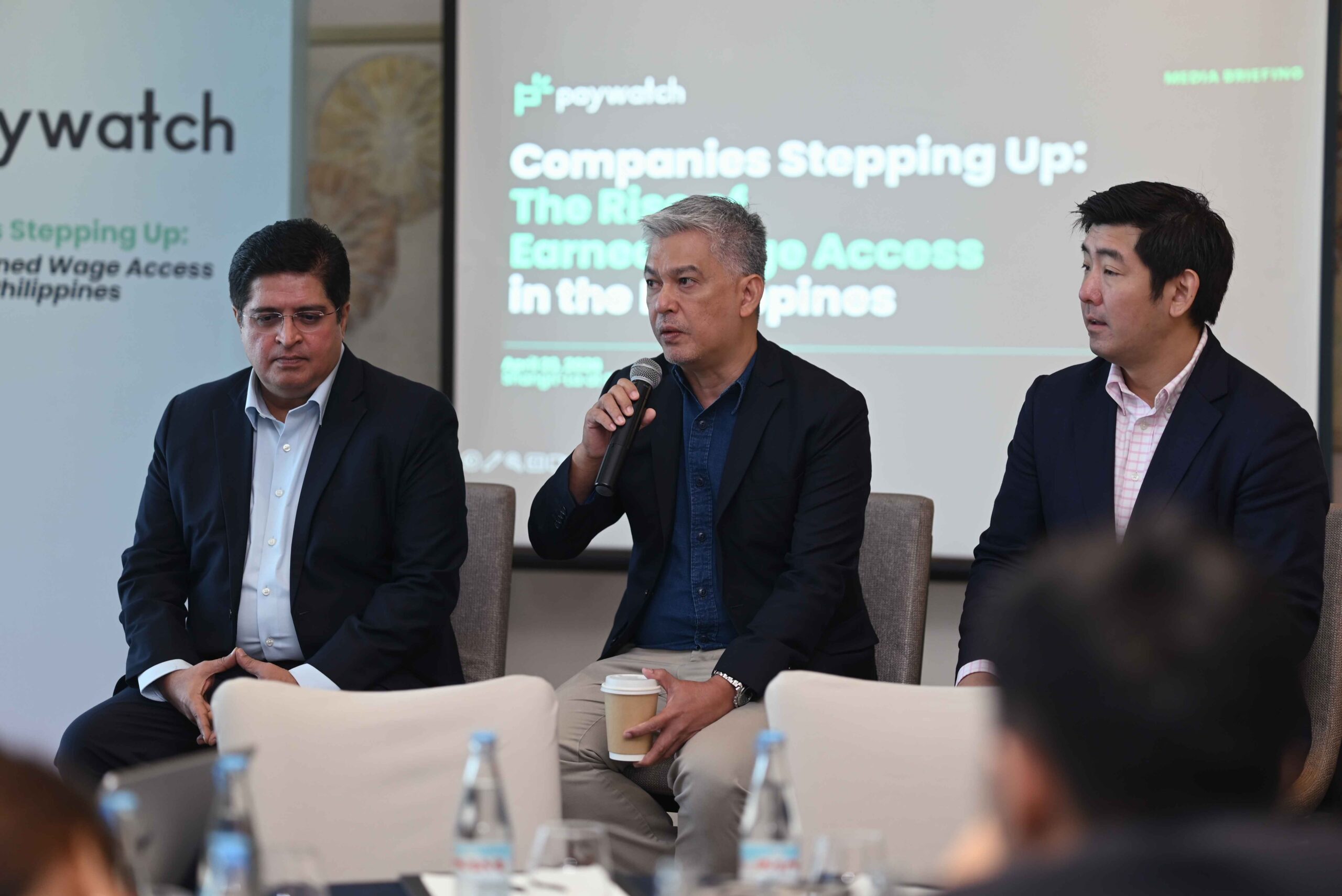
Employers in the Philippines are increasingly adopting Earned Wage Access (EWA) as part of a broader push to improve employee financial well-being, as financial wellness becomes a more central pillar of workforce strategy across industries.
Paywatch, a Southeast Asia–based financial wellness platform, said it is seeing accelerated uptake of EWA among Philippine companies, reflecting a shift away from traditional benefits toward more responsive, employee-centric financial solutions.
Earned Wage Access allows workers to access a portion of their already earned wages before payday, offering a debt-free alternative to short-term borrowing. For employers, the service is typically provided at no direct cost, positioning it as a low-friction benefit that supports retention and productivity.
“Organizations are recognizing the importance of giving employees timely, debt-free access to their earnings and how this contributes to financial security and overall well-being,” said Rowell del Fierro, Country Manager of Paywatch Philippines. “This has a direct impact on engagement and productivity in the workplace.”
The growing interest comes amid persistent gaps in financial resilience in the country.
According to the Bangko Sentral ng Pilipinas, while 50% of Filipino adults have financial accounts and 85% of households have some form of access to financial services, only about three in ten say they have sufficient savings to withstand a financial shock.
Meanwhile, roughly 32% of loans are still used for basic necessities such as food and daily expenses.
EWA boosts financial control, employee retention gains
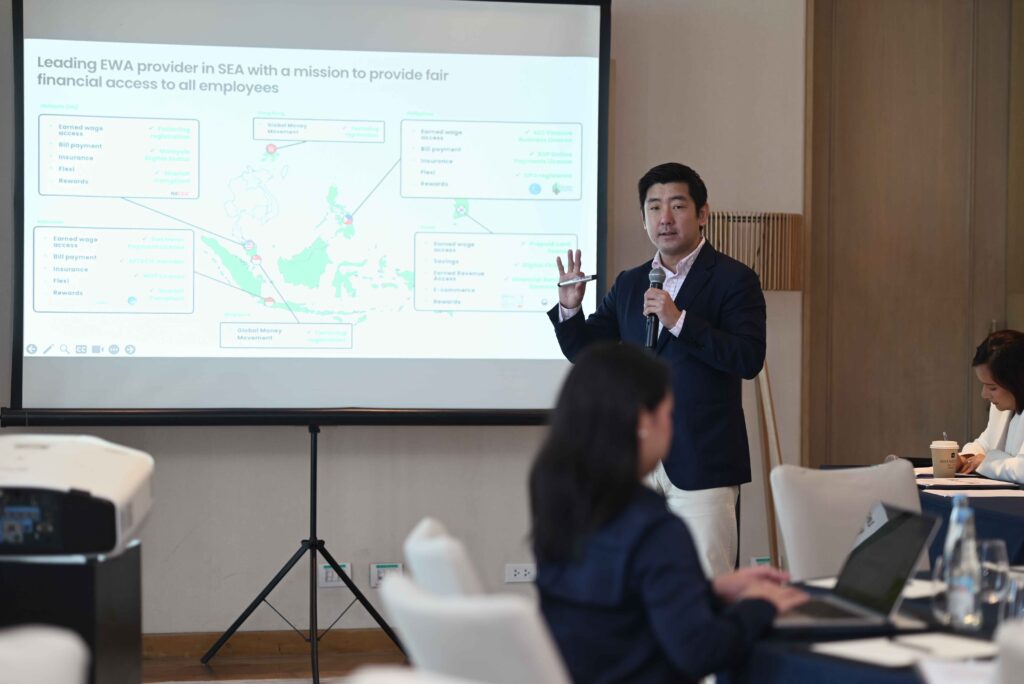
Alex Kim, President and Co-Founder of Paywatch
Paywatch data suggests EWA is increasingly being used as a regular financial management tool rather than an occasional safety net.
Among Filipino users, 78% report better expense management, 45% say their household debt has decreased, and 34% indicate an increase in savings. The most common use cases include everyday expenses, emergencies, school fees, and essential household needs — closely mirroring national borrowing behavior.
Across Southeast Asia, employers are beginning to integrate financial wellness more deeply into talent and retention strategies, particularly in sectors with high turnover.
“Financial wellness is no longer a peripheral benefit — it is becoming central to how companies attract and retain talent,” said Alex Kim, President and Co-Founder of Paywatch. “Earned Wage Access is often the entry point, but the real opportunity lies in building a broader ecosystem that gives employees greater control over their financial lives.”
Paywatch executives say the impact is consistent across markets: improved financial control among employees translates into higher engagement, stronger retention, and better productivity outcomes for businesses.
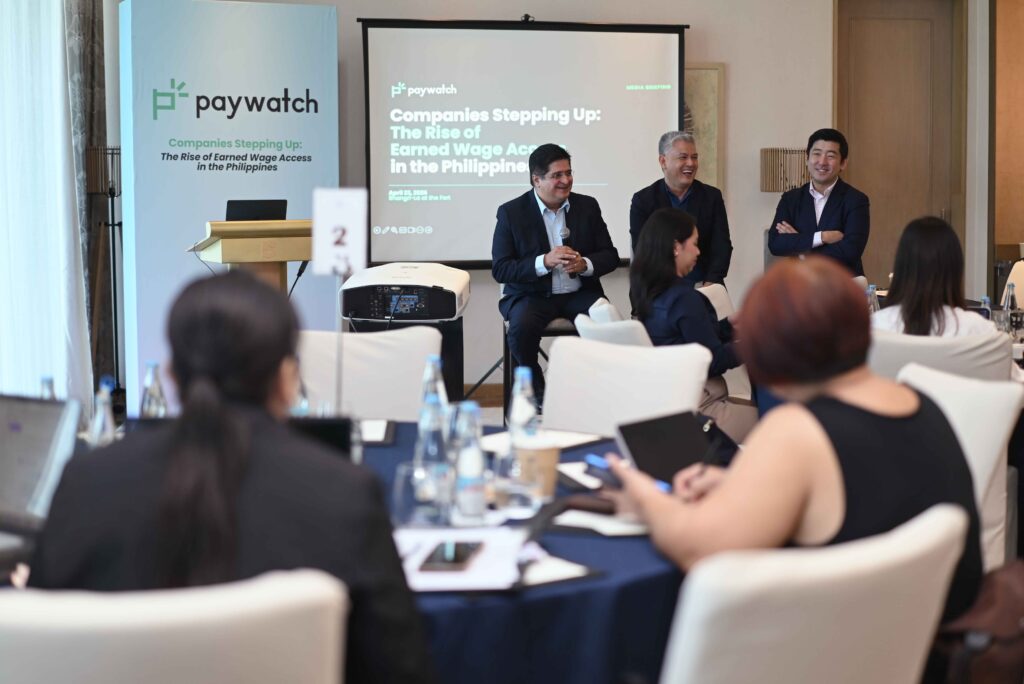
Top executives of Paywatch during the panel discussion
“When employees have better control over their finances, businesses see measurable improvements in engagement and productivity,” said Sandeep Mulajkar, Managing Director of Paywatch Philippines. “The focus now is on scaling these solutions and embedding financial wellness into core business strategy.”
In the Philippines, Paywatch is expanding its offering beyond EWA to a broader suite of workplace financial tools, including bill payments, critical illness insurance, and rewards programs. The move signals a shift toward a more integrated financial wellness ecosystem within the workplace.
With financial inclusion still uneven despite progress in digital finance adoption, Paywatch says its goal is to help employers play a more active role in supporting financial resilience among workers.