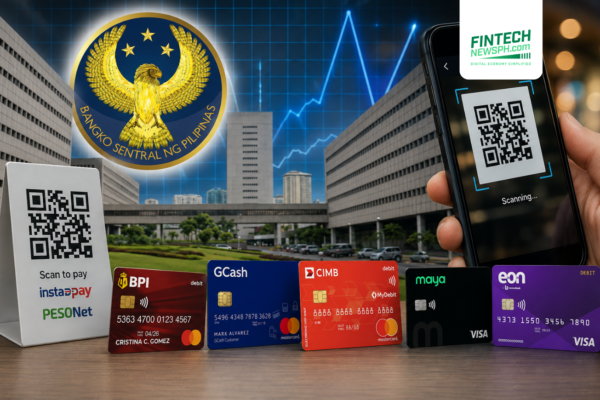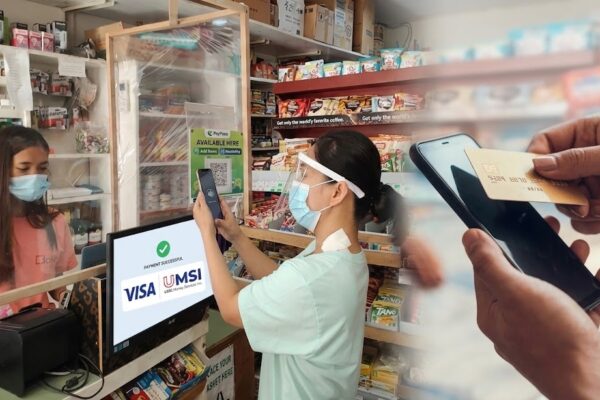
Payments in the Philippines are becoming increasingly seamless.
From auto-debit subscriptions to in-app wallets and one-click checkouts, transactions are now designed to happen in the background, often with minimal user interaction.
This shift toward “invisible payments” is being driven by the rapid adoption of digital wallets, embedded finance, and platform-based ecosystems. While it offers clear benefits in convenience and speed, it also raises new concerns around spending awareness and consumer protection.
Payments that happen in the background
Invisible payments refer to transactions that require little to no active input from users once set up. Common examples include subscription services billed automatically, ride-hailing apps that charge users after a trip, and e-commerce platforms that store payment details for instant checkout.
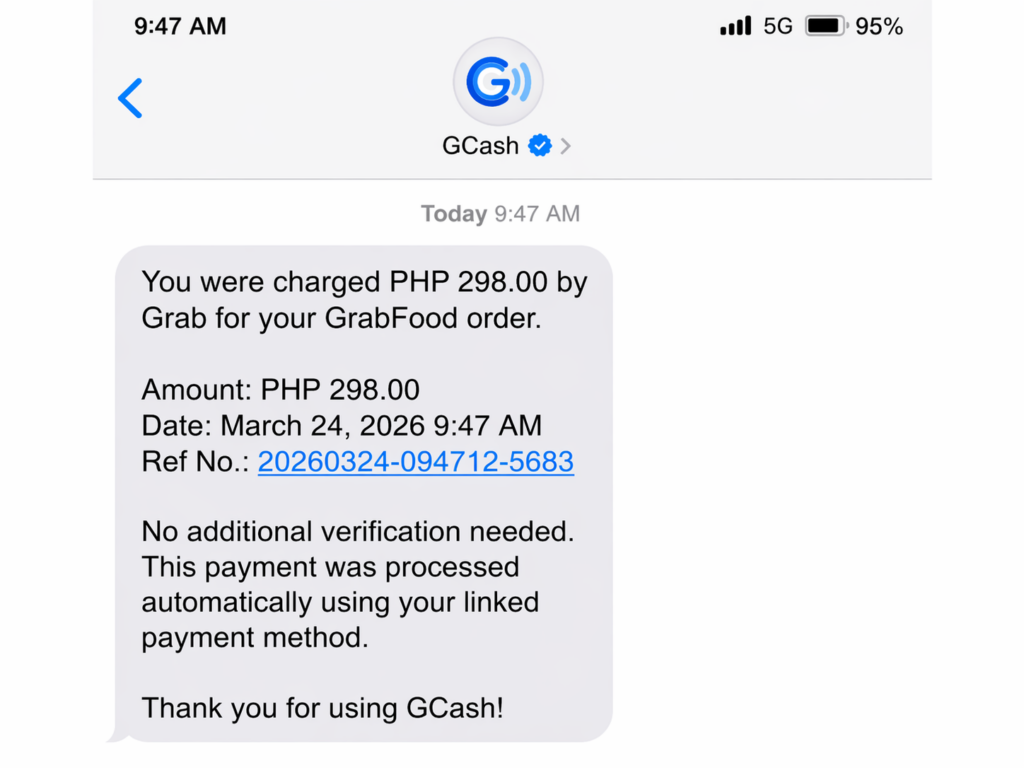
In the Philippines, the growth of services like GCash, Maya, and Grab has accelerated this trend.
Users can now link their wallets or cards across multiple platforms, allowing payments to be processed automatically without repeated authentication.
For businesses, this reduces friction and improves conversion rates. For users, it eliminates the need to manually complete each transaction. But the tradeoff is that payments become less visible in day-to-day behavior.
The convenience trap
The appeal of invisible payments lies in their simplicity. By removing steps in the payment process, platforms reduce the likelihood of cart abandonment and improve user experience.
However, this same convenience can lead to reduced spending awareness. When transactions are automated or delayed, users may lose track of how much they are actually spending across multiple services.
This is especially relevant for subscription-based models, where small recurring charges can accumulate over time. Without clear visibility, users may only realize the total cost once it reflects on their monthly balance.
Embedded finance is accelerating adoption
The rise of embedded finance is further pushing invisible payments into the mainstream. Financial services are increasingly integrated directly into non-financial platforms, allowing users to pay, borrow, or insure without leaving the app they are using.
For example, e-commerce platforms now offer built-in wallets and “buy now, pay later” options at checkout. Transport and delivery apps automatically charge users upon completion of a service. Even content platforms are experimenting with seamless in-app purchases.
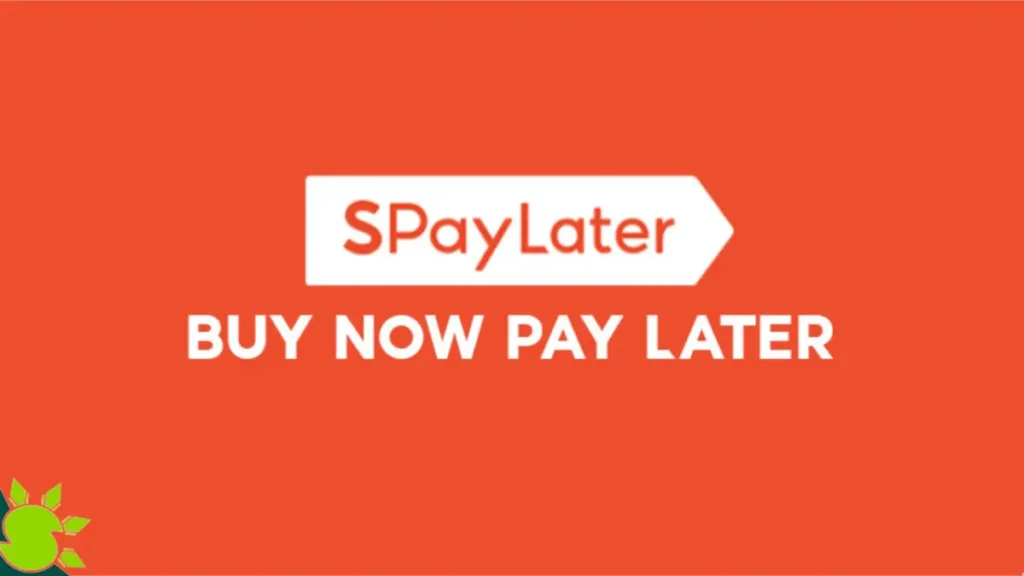
As these systems evolve, payments become part of the experience itself rather than a separate step.
Consumer protection concerns
While invisible payments improve efficiency, they also introduce new risks. One of the main concerns is the lack of transparency in how and when users are charged.
Accidental subscriptions, unclear billing cycles, and difficulty in canceling services have become common pain points. In some cases, users may not immediately notice unauthorized or duplicate charges due to the automated nature of transactions.
Regulators and consumer groups are beginning to pay closer attention. There is growing discussion around the need for clearer disclosures, easier opt-out mechanisms, and real-time notifications to keep users informed.
Balancing innovation and awareness
As invisible payments continue to grow, the challenge for fintech players will be balancing convenience with control. Features such as spending dashboards, instant alerts, and subscription management tools are becoming increasingly important.
For users, financial literacy also plays a key role. Understanding how these systems work and regularly reviewing transaction histories can help mitigate the risks associated with automated payments.
The shift toward invisible payments reflects a broader evolution in digital finance. Transactions are no longer just moments of exchange, but embedded actions within everyday digital experiences. The question now is whether users can keep up with payments that are designed not to be seen.