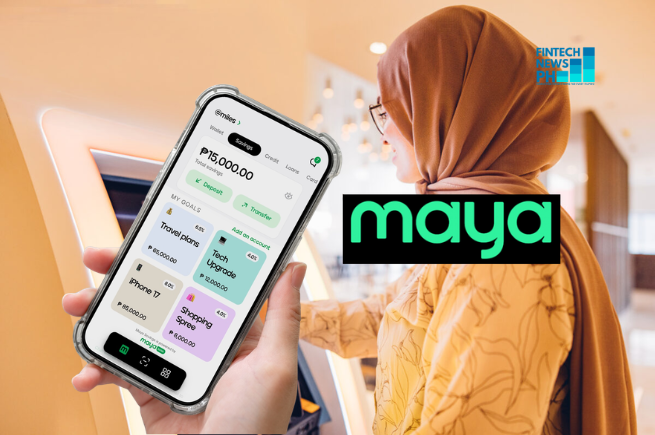
Maya reduces transaction fees for Middle East remittances as it rolls out a targeted rebate program designed to support Filipino families relying on overseas income.
The initiative focuses on lowering everyday financial costs tied to accessing and using remitted funds, particularly for households receiving money from key Middle Eastern corridors.
With millions of Filipinos working abroad, especially in the Middle East, remittances remain a vital economic lifeline. By reducing transaction fees, Maya aims to help families retain more value from every peso received.
Lower costs through rebates and cashback
Maya reduces transaction fees for Middle East remittances by offering rebates on common financial activities. Eligible users can receive ₱18 cashback per ATM withdrawal and ₱15 per InstaPay transfer, easing the cost of accessing and distributing funds.

In addition, users can benefit from 1% to 3% cashback on mobile load purchases, depending on their engagement level within the app. These incentives are unlocked through Maya XP, a feature that rewards active usage with tiered benefits.
The program applies to remittances from several Middle Eastern countries, including Saudi Arabia, UAE, Qatar, and Kuwait — regions that collectively contribute billions of dollars annually to the Philippine economy.
By automatically crediting rebates to users’ wallets, the platform ensures a seamless experience without additional steps after transactions are completed.
A step toward more inclusive digital finance
Maya reduces transaction fees for Middle East remittances by embedding cost-saving features directly into everyday financial activities. As remittance-dependent households navigate rising expenses and global uncertainties, initiatives like this highlight how fintech players are stepping in to enhance financial resilience.
Ultimately, by lowering fees and maximizing value, Maya strengthens its position as a key digital partner for Filipino families managing cross-border finances.
“With many overseas Filipinos in the Middle East supporting their families back home, we aim to make it easier for households to access and make the most of these remittances by reducing everyday transaction costs,” said Shailesh Baidwan, Maya Group president and Maya Bank co-founder.
The initiative comes as the Middle East continues to serve as a critical lifeline for the Philippine economy. Data from the Department of Foreign Affairs estimates around 2.4 million Filipinos are based in the region, while the Bangko Sentral ng Pilipinas reported over US$6.4 billion in remittances from these markets in 2025 alone.
To ease the financial burden on remittance-dependent households, Maya is embedding cost-saving features directly into everyday transactions. Eligible users who activate Maya XP can receive ₱18 cashback per ATM withdrawal and ₱15 per InstaPay transfer, while also earning between 1% and 3% cashback on mobile load purchases. These rebates are automatically credited to users’ wallets, ensuring a seamless experience without additional steps.
The program covers remittances from key Middle Eastern corridors, including Saudi Arabia, the UAE, Qatar, and Kuwait—regions that collectively contribute billions of dollars annually to the Philippine economy.
By lowering transaction fees through rebates and cashback, Maya aims to help Filipino families retain more value from overseas income. As households navigate rising costs and economic uncertainty, initiatives like this underscore the growing role of fintech in strengthening financial resilience and expanding access to more inclusive digital financial services.