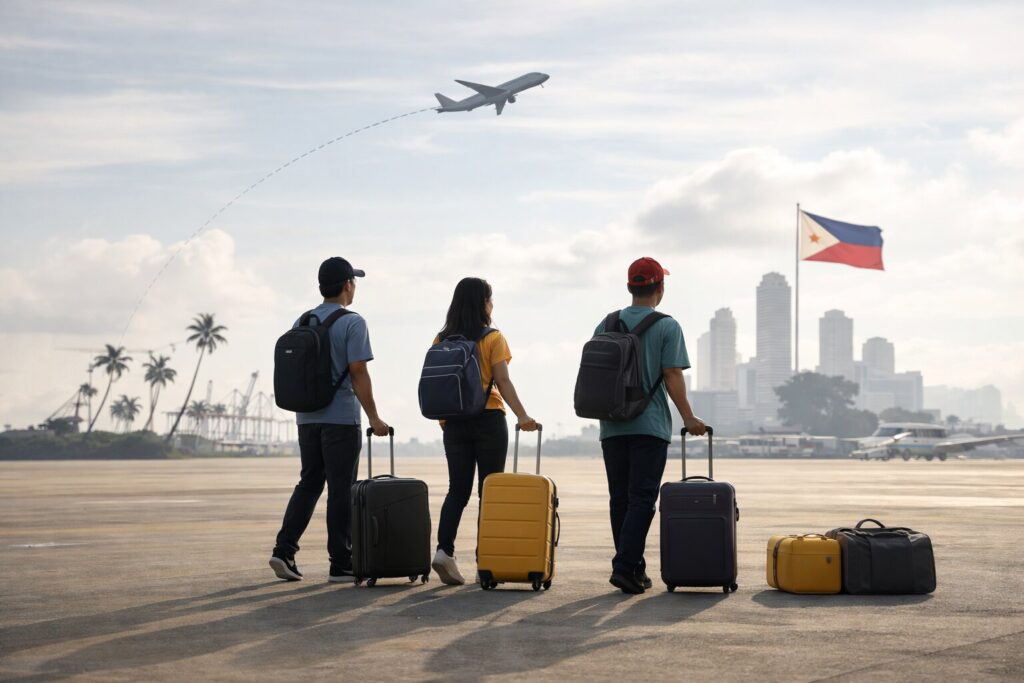
For decades, remittances from Overseas Filipino Workers (OFWs) have stood as one of the Philippines’ economic mainstays. In 2024, remittances reached a record USD 38.34 billion, fueling household spending, education, healthcare, and entrepreneurship across the archipelago.
But that figure tells only part of the story.
Today, the way OFWs send, spend, save, and even budget that money is being transformed — not just by mobile wallets and remittance platforms but by a broader fintech revolution that is embedding digital finance into everyday life. This shift is rewriting traditional money habits and turning remittances into a gateway to modern financial living.
From cash to mobile wallets: A digital rerouting
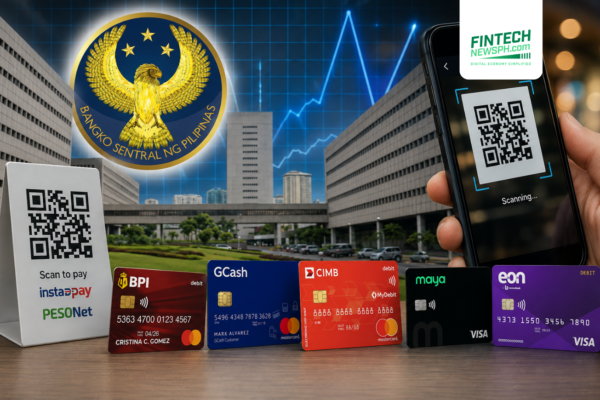
Mobile wallets like GCash and Maya are no longer niche conveniences, they are mainstream financial hubs for Filipino households. With smartphone penetration at more than 76 percent, digital wallets have become the go-to tools for everyday financial activity. Where once cash was handed over at a pickup counter or bank branch, funds now ping into an app and are ready for use in minutes.
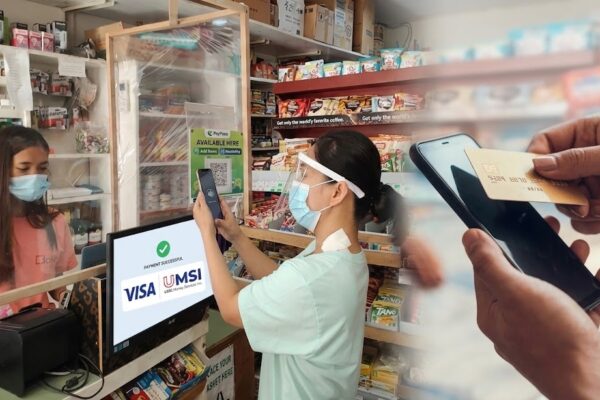
Critically, this shift isn’t only about remitting money home. Once inside digital wallets, funds are seamlessly integrated into an ecosystem of payments from ride-hailing and food delivery, to utilities, school fees, transport, and subscriptions.
In the Greater Manila area and other cities, paying for daily services through apps has become second nature. Digital transactions now make up over half of monthly retail payments, outpacing traditional bank transactions, thanks in large part to mobile wallet adoption.
Daily life, digitized
For many OFW families, everyday household expenses have moved into the digital domain:
- Ride-hailing and transport apps accept e-wallet payments, eliminating the need for cash and offering tracking, promotions, and budgeting tools.
- Food delivery and grocery apps — once a luxury are now routine, especially for time-pressed households.
- Online subscriptions for educational platforms, entertainment, and even cloud storage are increasingly paid through digital wallets.
- Parents can now settle school fees or tuition installments via app rather than standing in long queues at bank counters.
This integration of fintech into daily life not only boosts convenience but also strengthens financial visibility. Every peso flows through a traceable digital channel, giving families insight into spending patterns and easing budgeting.
Fintech on the frontier: Purpose-driven money movement
Innovative fintech players are taking this a step further by helping OFWs control how remittances are spent. Startups like Beam & Go enable workers abroad to allocate funds specifically for groceries, medicines, or school supplies by generating unique gift codes that families redeem for designated purposes — a practical tool against unplanned spending.
Meanwhile, collaborations between blockchain fintech firms and platforms like Coins.ph are cutting remittance costs dramatically from as high as 11 percent down to around 1 percent and processing transfers in minutes rather than days. These technological advancements are not just efficiency upgrades; they shift the narrative from sending money to empowering purposeful financial decisions.
More than just sending money
Digital remittances also act as a bridge into broader financial services. OFW families are increasingly interacting with savings tools, micro-insurance products, and even investment platforms within or connected to mobile wallets leveraging funds that would otherwise sit in cash or underutilized bank accounts.

Fintech’s impact stretches beyond households.
According to the Bangko Sentral ng Pilipinas, digital payment transactions accounted for 52.8 percent of total monthly retail payments recently a major leap from previous years. This deepening digital footprint is helping drive financial inclusion, especially in rural and underserved communities where traditional banking infrastructure lags.
What still stands between fintech and full inclusion
However, the transition isn’t without obstacles. App fees and digital transaction charges remain a concern for some Filipinos, with digital remittance fees cited as a pain point in regional comparisons.
Security and financial literacy also continue to matter. As funds move digitally, the need for strong fraud protection and budgeting knowledge becomes ever more critical both for OFWs and their families.
Yet, the trajectory is clear: fintech is no longer an adjunct to remittances; it’s reshaping how OFW dollars live and influence lives long after they arrive. What was once a one-off transfer has become a daily digital heartbeat within Filipino homes powering rides, meals, bills, and dreams.