
The Philippines now moves money at the speed of a tap. Digital wallets, QR codes, and instant transfers power daily commerce, from jeepney fares to online shopping. Fintech platforms promise convenience, inclusion, and speed. Yet behind every seamless transaction, a quieter conflict unfolds — an unrelenting battle against fraudsters who evolve as fast as the technology meant to stop them.
As fintech adoption accelerates, cybercriminals have shifted tactics. They no longer rely on brute-force hacking alone. Instead, they exploit human behavior, weak authentication, and gaps between systems. Each new feature whether contactless payments or instant lending creates opportunity not only for innovation, but also for abuse.
Criminals exploit speed, trust, and human error
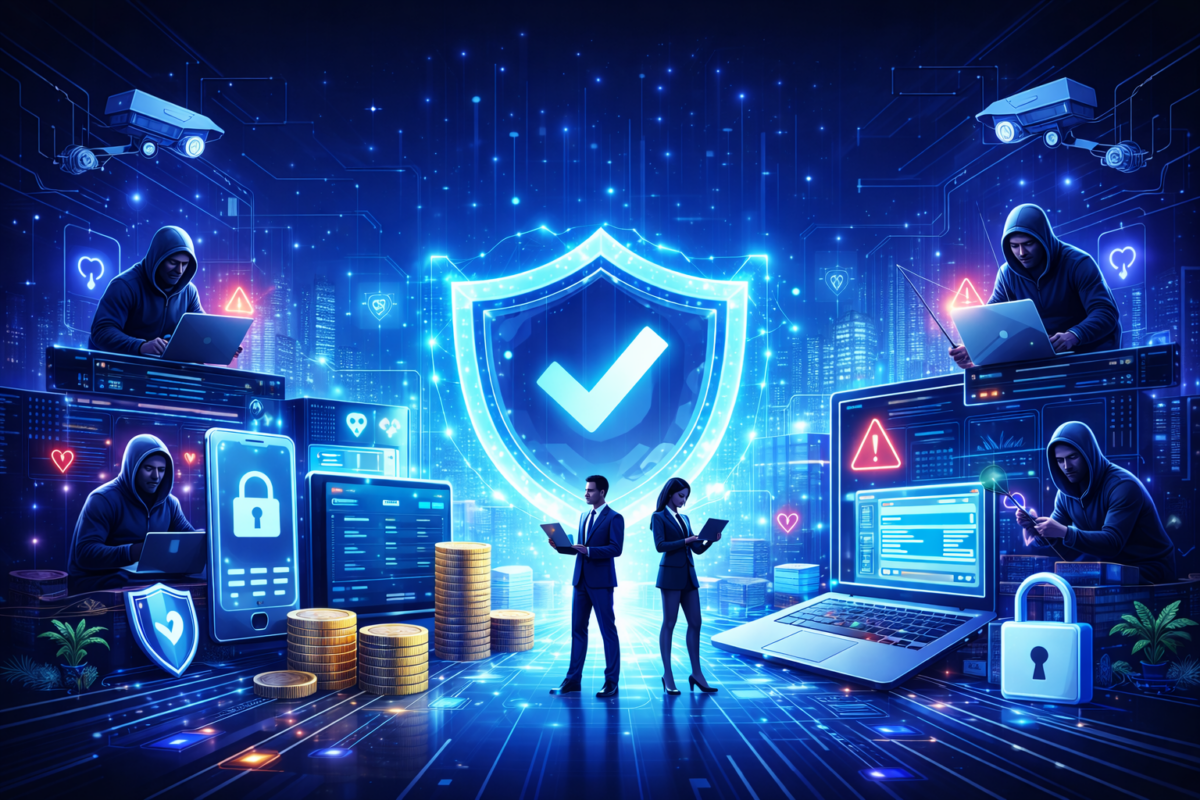
Fraud now ranks as one of the fastest-growing risks in the digital finance ecosystem. Phishing messages impersonate banks and e-wallets. Fake investment platforms lure users with guaranteed returns. Organized networks recruit money mules to move illicit funds across accounts before platforms can flag suspicious activity. These schemes thrive because digital payments move faster than traditional oversight.

Industry analysts observe that fraud rarely begins with technology failure. Criminals target trust. They impersonate customer service agents, hijack verified social media accounts, and pressure victims to act quickly. Once users surrender login credentials or one-time passwords, fraudsters drain accounts within minutes. Speed, the core advantage of fintech, becomes its greatest vulnerability.
Criminal groups increasingly operate like businesses. They outsource phishing kits, automate scam scripts, and rotate mule accounts to avoid detection. This industrialized approach allows them to scale operations while keeping individual losses small enough to evade immediate scrutiny.
Fintech firms and regulators build a digital defense line
In response, fintech firms have strengthened defenses. Many now deploy artificial intelligence to monitor transaction patterns in real time. These systems analyze device behavior, geolocation changes, transaction velocity, and spending anomalies. When a transaction deviates from normal behavior, platforms can freeze accounts instantly and prevent further losses.
The Philippine government has also stepped up enforcement. Regulators require stricter customer verification and reporting standards, while law-enforcement agencies coordinate with platforms to track scam networks. The passage of the Anti-Financial Account Scamming Act marked a turning point, giving authorities stronger tools to shut down mule accounts and penalize facilitators.
Industry groups have pushed collaboration as the most effective defense. Banks, fintech firms, and telecommunications companies now share intelligence on emerging threats.
Platforms such as GCash work closely with regulators to streamline reporting and consumer protection. The Bangko Sentral ng Pilipinas has repeatedly stressed that cybersecurity underpins trust in the digital financial system.

Still, security measures alone cannot solve the problem. Fraudsters adapt quickly. As platforms tighten controls, criminals shift toward more sophisticated social-engineering attacks, including deepfake audio and AI-generated messages that mimic trusted voices. These tactics blur the line between real and fake, making scams harder to detect even for experienced users.
Consumer education therefore plays a critical role. Fintech firms now embed in-app warnings, scam hotlines, and transaction confirmations to slow down high-risk actions. Campaigns emphasize a simple message: legitimate companies never ask for passwords, codes, or remote access.
The stakes extend beyond individual losses. Large-scale fraud undermines confidence in digital finance, threatens financial inclusion goals, and exposes platforms to regulatory penalties. A single breach can trigger reputational damage that no amount of marketing can undo.
Fintech growth will not slow. Digital payments have become essential infrastructure.
The real question is whether security can keep pace with innovation. The quiet war behind every transaction continues — unseen by most users, but critical to the future of digital finance.