The Bangko Sentral ng Pilipinas (BSP) has issued a fresh warning to the public: melting, defacing, or deliberately damaging Philippine coins is a criminal offense — and violators could face jail time and fines.
The reminder comes amid renewed efforts by the central bank to encourage Filipinos to put coins back into circulation, as it pushes for wider use of small denominations in everyday transactions.

Under Presidential Decree No. 247, it is unlawful to willfully deface, mutilate, tear, burn, or destroy Philippine currency issued by the BSP, including commemorative coins.
Offenders may be punished with imprisonment of up to five years and a fine of up to ₱20,000.
“Coins are meant to be used as money, not as scrap metal or raw material,” the BSP said in its advisory, stressing that both regular and commemorative coins are part of the country’s legal tender system.
Commemorative coins, in particular, are issued to honor important moments in Philippine history, national landmarks, and the legacies of notable Filipinos.
While some are treated as collectibles, the BSP said these coins remain protected under the law and should not be melted or altered for other purposes.
The warning also comes as the BSP intensifies its campaign to make coins more visible and usable in daily commerce — especially as rising prices make small denominations increasingly relevant.
Higher legal tender limits for coins
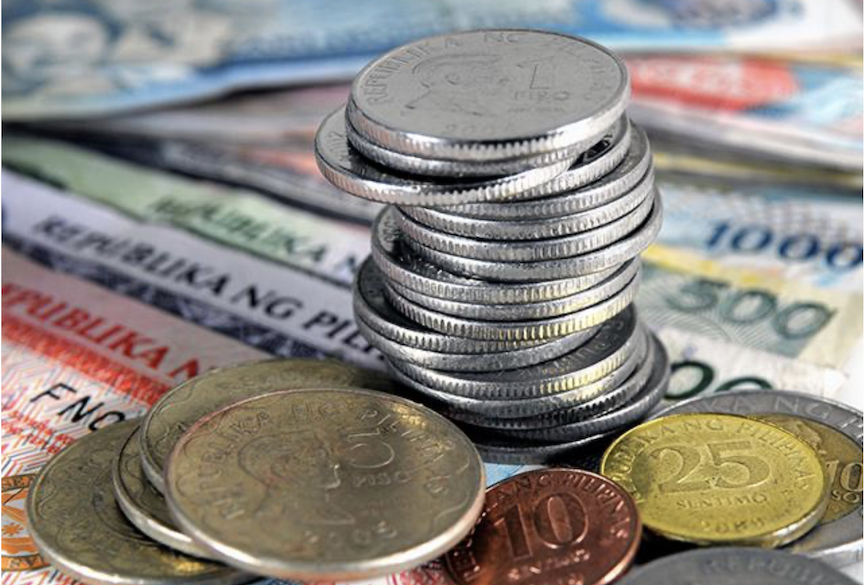
To promote wider acceptance of coins, the BSP earlier raised the legal tender limit for coin transactions under BSP Circular No. 1162, series of 2022, replacing an older rule issued in 2006.
Under the updated circular, 1-, 5-, 10-, and 20-peso coins may now be used as payment or change for amounts not exceeding ₱2,000 per transaction. Meanwhile, centavo coins — 1, 5, 10, and 25 centavos — may now be accepted for amounts up to ₱200 per transaction.
These limits are double the previous caps of ₱1,000 for peso coins and ₱100 for centavo coins.
The BSP clarified that the legal tender limits do not prevent higher-value coin payments, as long as both parties agree beforehand. In practice, this means merchants and customers can still use coins beyond the stated limits if they mutually consent.
The policy shift reflects the central bank’s goal of normalizing the use of coins, which are often set aside, forgotten in piggy banks, or repurposed for non-monetary uses.
Coins misused, forgotten — or destroyed

Despite their legal status, coins — especially smaller denominations — are frequently neglected. Some Filipinos use centavo coins as makeshift washers in carpentry or household repairs. Others hoard them at home and eventually forget they exist.
More troubling, the BSP noted, are cases where coins are melted or damaged for metal value or novelty purposes — acts that now come with a clear legal warning.
“Destroying coins removes them permanently from circulation,” the BSP said, adding that this undermines the country’s currency system and increases the cost of minting replacements.
Bringing coins back into the economy
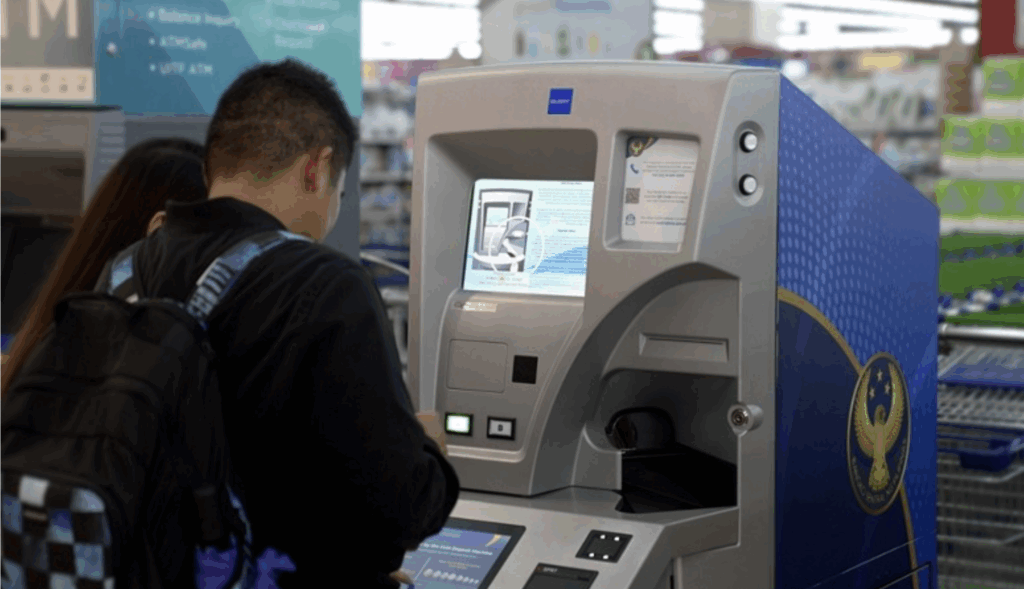
To address both hoarding and circulation gaps, the BSP has partnered with major mall operators such as SM, Robinsons, and Festival Supermalls to roll out coin deposit machines (CoDMs) nationwide.
These machines allow the public to deposit loose coins and convert them into either GCash e-wallet credits or shopping vouchers at SM malls, helping people reclaim value from idle coins while easing the burden on retailers and banks.
The central bank said all coins under the BSP Coin Series and the New Generation Currency Coin Series remain legal tender. These include 1-, 5-, 10-, and 25-sentimo coins and 1-, 5-, 10-, and 20-peso coins, which should be accepted as payment for goods and services.
As the BSP pushes for greater efficiency in cash usage, its message is clear: coins still matter — and destroying them is not just wasteful, but illegal.
In a time when every peso counts, the central bank is betting that respect for currency — down to the smallest coin — can help keep the economy moving smoothly.