
As 2026 begins, many Filipinos continue to face familiar pressures — from gaps in healthcare access and recurring floods to economic and political uncertainty. But instead of slowing down, a growing number of innovators across the country are channeling these realities into practical, community-driven solutions.
That spirit of problem-solving and innovation was on full display at UNLEASH Philippines, a week-long innovation lab held at the University of Santo Tomas (UST), which brought together 150 participants from different regions to co-create solutions rooted in lived experience.
Part of the global UNLEASH initiative and developed in partnership with the Royal Academy of Engineering’s Leaders in Innovation Fellowships (LIF), the program focused on three thematic tracks: Health Equity and Biomedical Innovation, Resilient Agriculture and Food Systems, and Sustainable Cities and Communities through Engineering Innovation.
Organizers said the goal was not to build abstract concepts, but to refine ideas already emerging from communities themselves.
Innovation shaped by everyday realities
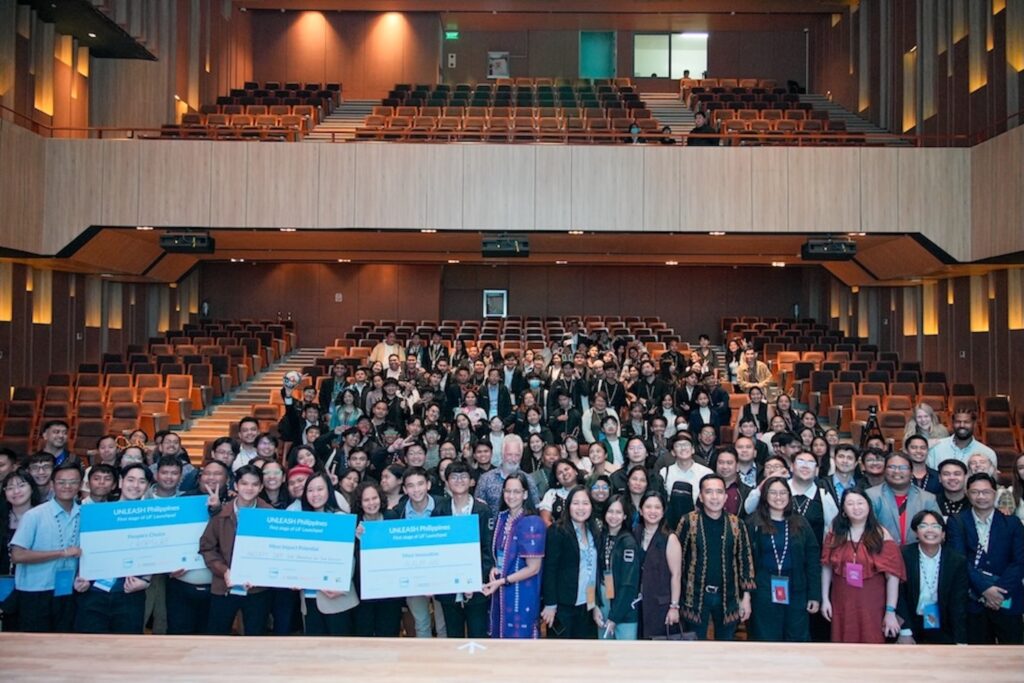
A gathering of innovators from across the country, building people-focused solutions through collaboration.
For many participants, the work began with conversations on the ground.
Erica Urquiaga, who joined the Resilient Agriculture and Food Systems track, grew up in Zamboanga del Norte in Mindanao. Her team’s project, however, was shaped by her teammate Mariero Gawat’s hometown in the Caraga region — known as the Philippines’ soybean capital.
“My groupmate encouraged us to speak directly with a soybean farmer to better understand the challenges they face,” Urquiaga said. “That conversation helped us identify where improvements in harvesting could make the process more efficient for farmers.”
Urquiaga added that innovation does not always require complex or large-scale interventions. “Sometimes impact comes from addressing everyday problems—the kinds of issues people deal with regularly — and finding practical ways to make things better,” she said.
Designing cities with people in mind
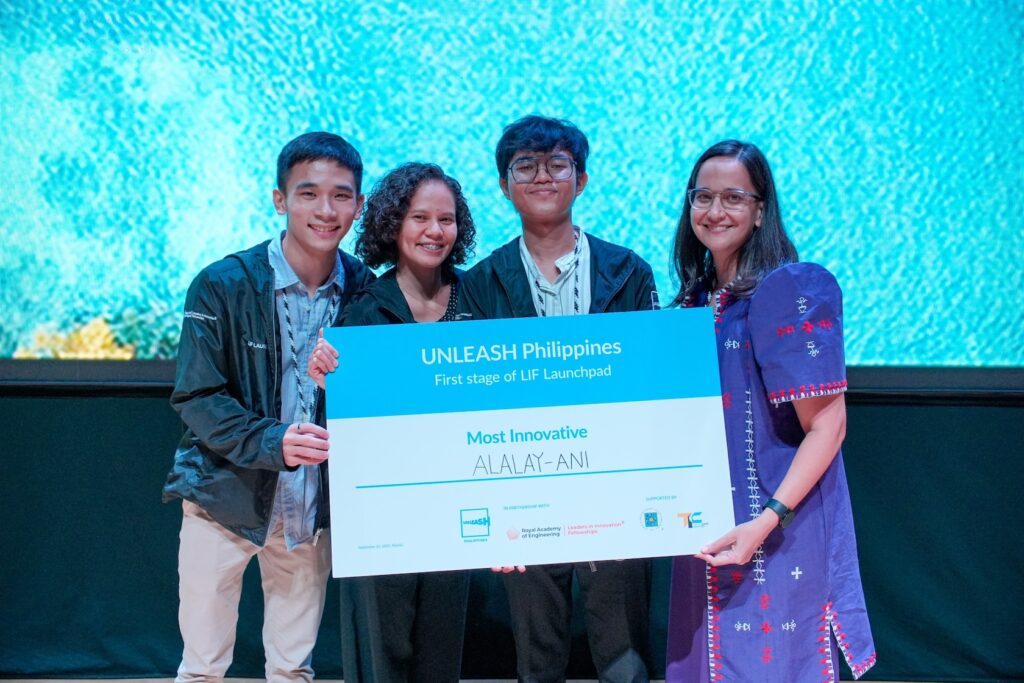
Urban challenges were also tackled through a people-first lens.
RVJ Gatchalian, whose team worked under the Sustainable Cities and Communities track, said the program highlighted the gap between policy frameworks and lived realities.
“We often design cities from policy documents and data models,” he said. “UNLEASH reminded us to sit down with actual communities.”
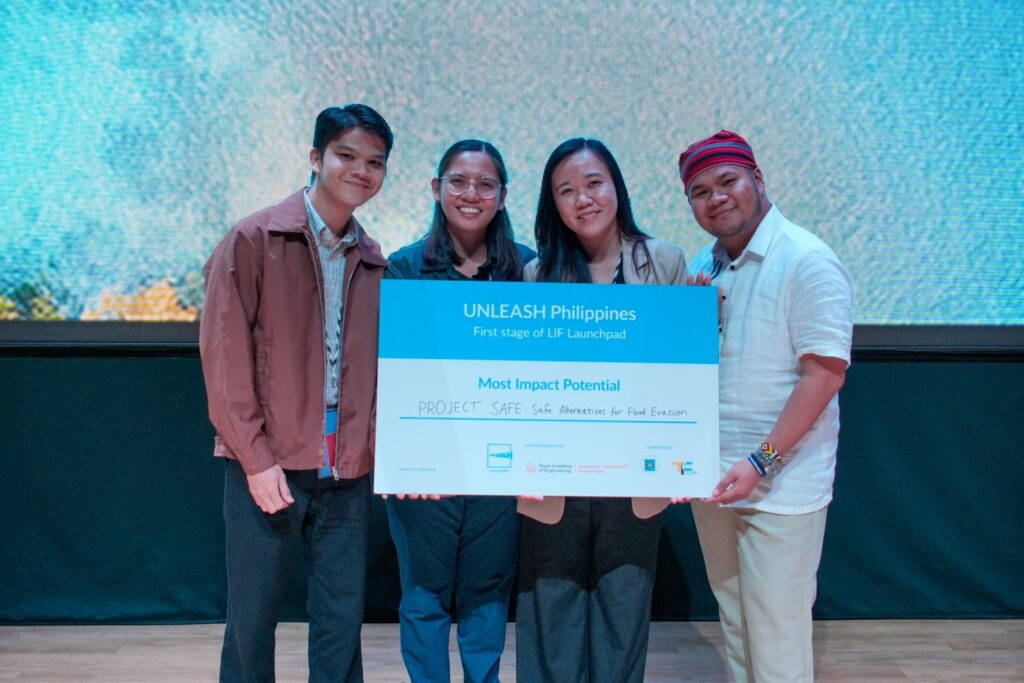
His team’s project focuses on helping essential workers navigate mobility disruptions during flooding — an issue he observed firsthand while working with labor groups.
Technology rooted in healing
For some participants, innovation was deeply personal.
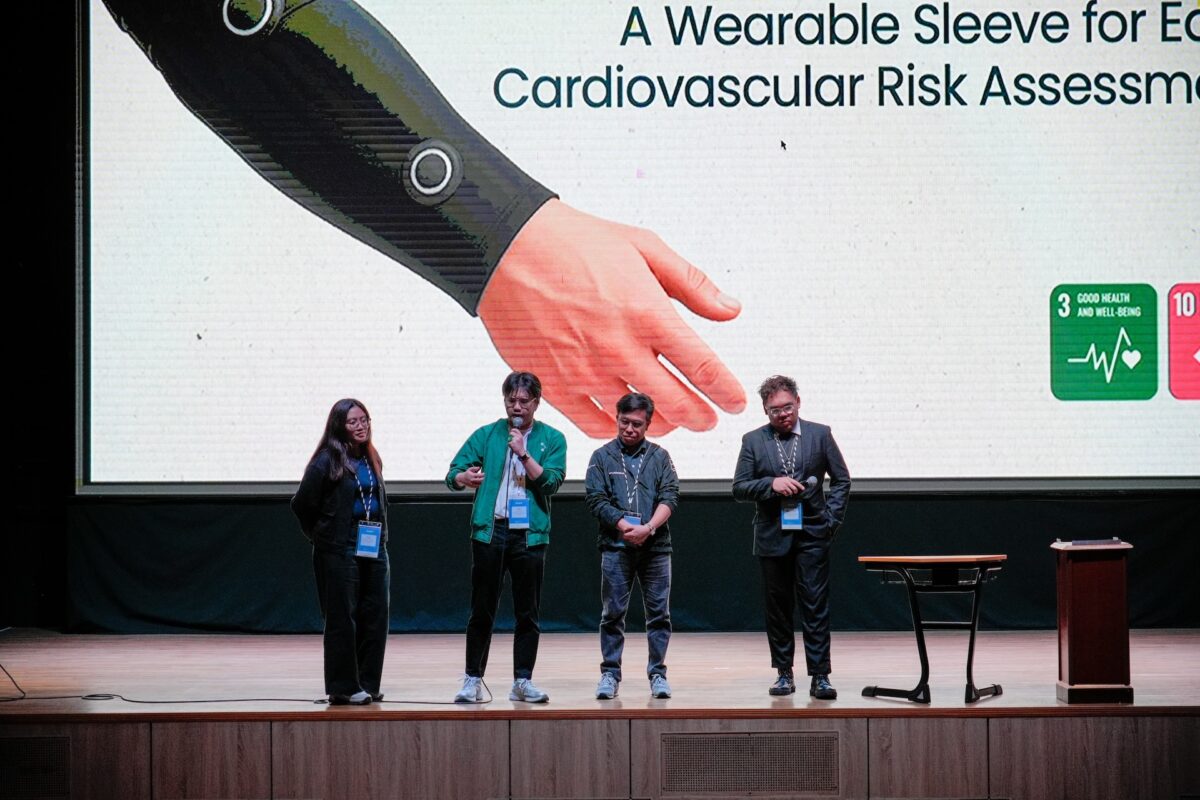
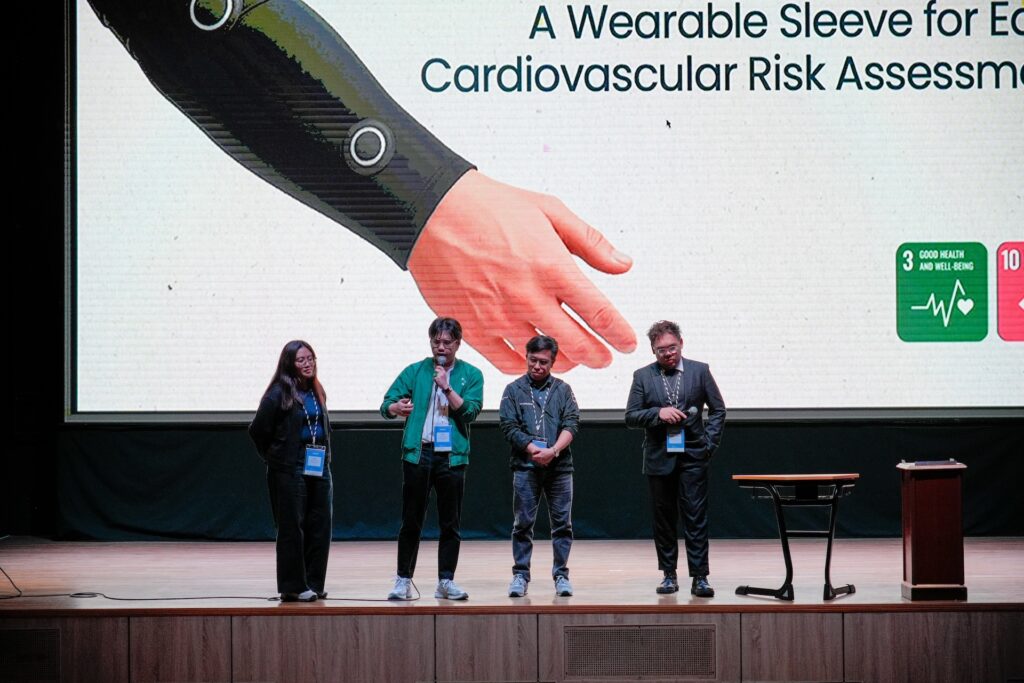
Robert Anlocotan’s team developed a wearable device called Art Sense, designed to detect early signs of cardiovascular irregularities. The idea stemmed from his own experience of losing an uncle to a preventable heart condition in 2022.
“At first, it was just a technical solution,” Anlocotan said. “But after working with health workers in Navotas and hearing stories similar to ours, it stopped being just a project and became a responsibility.”
From ideas to implementation
Following the innovation lab, participating teams advance to the UNLEASH Prototyping Program, where they receive mentorship, technical guidance, and implementation support to move their ideas closer to real-world deployment.
As the year unfolds, the challenges facing Filipino communities remain complex.
But programs like UNLEASH Philippines show that collaborative, people-centered problem-solving is already underway — led by individuals who experience these problems firsthand and are building solutions from the ground up.
More than a year-end milestone, the initiative underscores a broader shift toward innovation that begins with empathy and ends with action — proving that change is not only possible, but already in motion.