
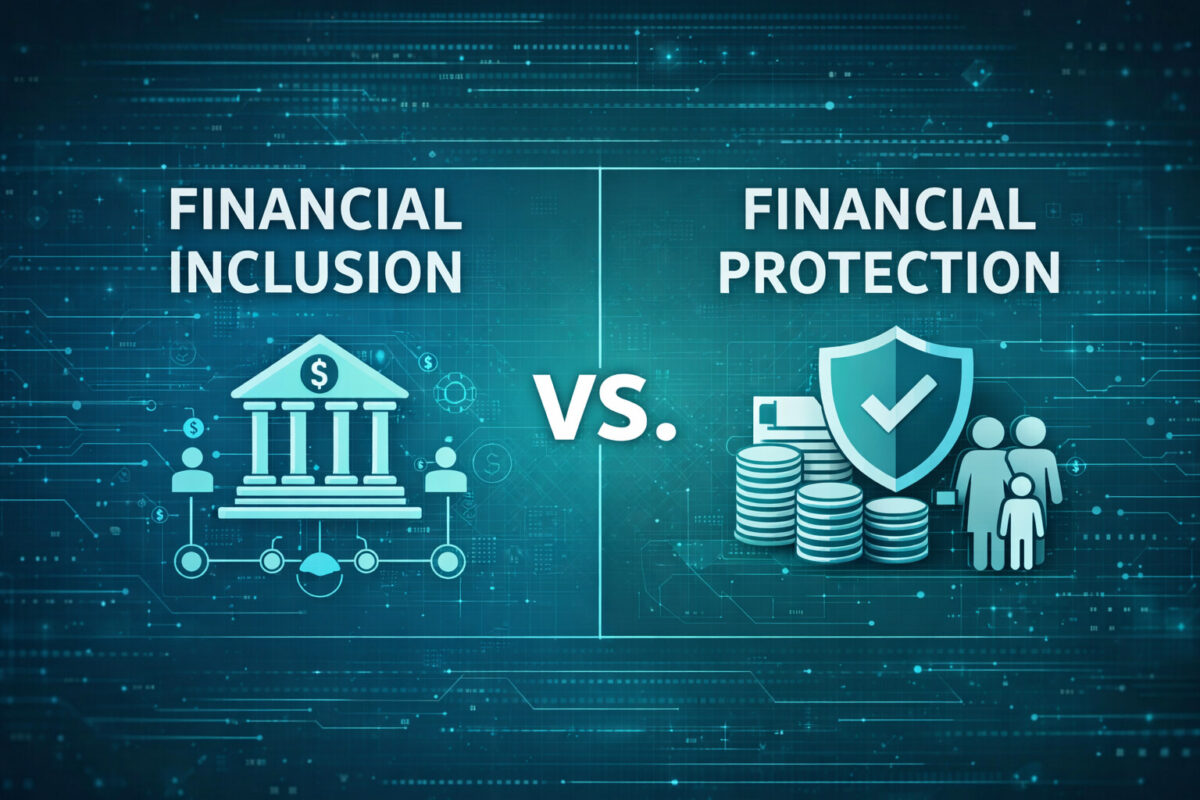
In the Philippines, the rapid rise of financial technology (fintech) and digital finance has accelerated financial inclusion, bringing millions of previously unserved or underserved Filipinos into the formal financial system.
At the same time, it has raised complex questions for regulators about how best to protect consumers and safeguard financial stability without stifling innovation.
The tension between promoting access and ensuring protection is increasingly at the forefront of policy debates as the Bangko Sentral ng Pilipinas (BSP) and the Securities and Exchange Commission (SEC) refine their regulatory frameworks to keep pace with change.
Fintech and financial inclusion: A policy priority

Financial inclusion has been a central pillar of the BSP’s policy agenda for several years. The central bank’s National Strategy for Financial Inclusion 2022–2028 aims to reduce disparities in access to financial services, improve financial health and resiliency, and expand access for micro, small, and medium enterprises, especially in agriculture and rural areas.
These goals are supported through infrastructure improvements, digital payment systems like stations through InstaPay, PESONet, and the QR Ph standard, which have helped millions of Filipinos transact digitally for everyday needs.
Digital banking and mobile finance technologies have notably expanded access. As banks adopt digital platforms and new players such as e-wallets and digital banks enter the market, many previously excluded consumers can now open accounts, transfer funds, and access credit using mobile devices.
This shift has been especially significant following the lockdowns associated with the COVID-19 pandemic, which propelled digital adoption.
Both the BSP and the SEC have embraced regulatory sandboxes controlled environments where new technologies, products, or services can be tested in real time under regulatory supervision.
The BSP’s sandbox framework allows fintech firms to pilot solutions using technologies like decentralized ledger systems or APIs, helping regulators understand risks before broader rollout. This test-and-learn model is designed to enable innovation while managing risk and consumer harm.
Regulatory sandboxes: Innovation with guardrails
Similarly, the SEC’s Strategic Sandbox Framework (StratBox) allows fintech innovators to trial services, including digital asset platforms, under monitored conditions before full compliance enforcement.
The aim is to unlock innovation without exposing investors to undue risk or premature enforcement actions.
A foundational legislative pillar in this balancing act is the Financial Products and Services Consumer Protection Act (Republic Act No. 11765), enacted in 2022.
Consumer protection takes legal form
This law requires financial regulators, including the BSP and the SEC, to implement comprehensive consumer protection measures across all financial products and services — including digital finance offerings.
Core consumer rights under the law include fair treatment, transparent disclosure of terms, protection of assets from fraud and misuse, and access to consumer dispute redress mechanisms.
The BSP has translated this mandate into its own Financial Consumer Protection Framework, embedding transparency, fair market conduct, and dispute handling into bank and non-bank regulations.
Likewise, the SEC has developed corresponding implementing rules for its regulated entities — covering investor safeguards, disclosures, and conduct standards — as part of its efforts to balance innovation and protection.
Regulators’ balancing act: Innovation, protection, stability
Despite these frameworks, questions persist about whether regulation can keep up with the pace of digitization.
BSP officials emphasize a risk-based approach — calibrating regulatory intensity to the risks posed by each product or service while allowing flexibility for innovation. This approach seeks to protect consumers and maintain financial stability without unduly constraining newcomers to the market.
The SEC, for its part, underscores principles like “same activity, same risk, same regulatory outcome,” reflecting its stance that technology should not create regulatory loopholes.
The Commission has also urged fintech actors to strengthen cyber defenses and investor education as part of a shared responsibility for trust and protection in digital capital markets.
Regulators are also mindful of systemic risk and market integrity. As digital finance becomes more entrenched, concerns around cybersecurity, fraud, data privacy, and market conduct intensify. Emerging issues such as unregistered crypto exchanges highlight the ongoing need for vigilant enforcement and clear regulatory boundaries to prevent investor harm.
At the same time, initiatives like enhanced prudential requirements for digital-centric banks show the BSP’s intent to ensure that innovation does not compromise the safety and soundness of the broader financial system.
Regulation in an era of transformation

The Philippines’ efforts to harmonize financial inclusion with consumer protection and systemic risk reflect an evolving regulatory philosophy.
One that champions innovation as a tool for inclusive growth while embedding safeguards to protect individuals and the financial system at large. Progress is evident in legislative frameworks, risk-based supervision, and collaborative sandboxes.
Yet the rapid pace of technological change demands continuous regulatory maturation, greater cross-sector coordination, and ongoing dialogue with industry stakeholders to ensure that the goals of accessibility, safety, and stability advance in tandem.