

The Bangko Sentral ng Pilipinas (BSP) is extending regulatory incentives designed to encourage banks to scale up lending for green and sustainable projects, reinforcing its push toward a more climate-resilient economy.
The Monetary Board approved the extension of incentives originally introduced in 2023 under BSP Circular No. 1185. These measures allow banks to exceed the 25 percent Single Borrower’s Limit (SBL) by up to an additional 15 percent for eligible sustainable projects.
Banks are also permitted to fully lend out proceeds from sustainable bond issuances, with these funds exempted from the usual 3 percent reserve requirement.
With the extension, the incentives will remain in place for another two years starting January 6, 2026, providing banks with additional runway to expand sustainable finance portfolios and support large-scale green investments.
BSP expands incentives for climate-resilient financing
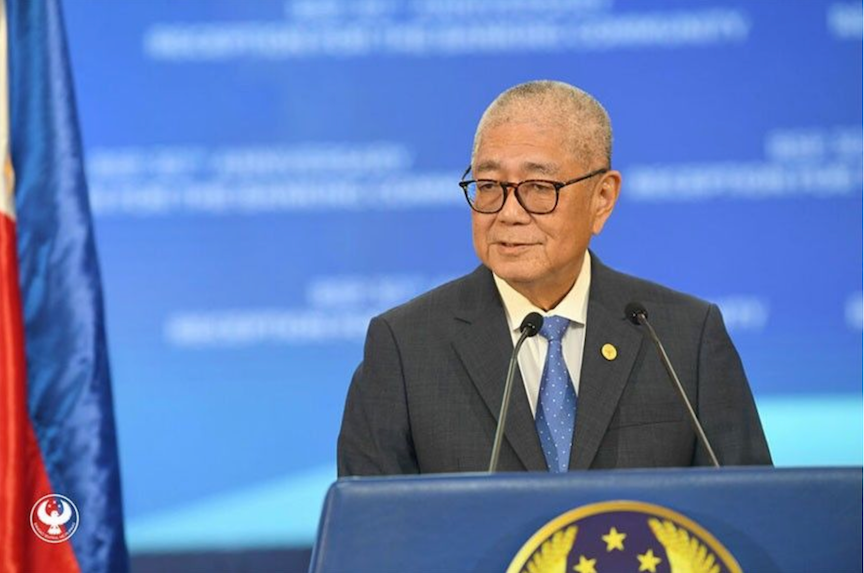
“The BSP will continue supporting the transition toward a climate-resilient economy,” BSP Governor Eli M. Remolona Jr. said. “By providing targeted incentives, the BSP not only channels more credit into green and sustainable activities but also strengthens the capital market, fostering wider participation among issuers and investors.”
The extended incentive window is expected to support continued financing for renewable energy projects, water and wastewater systems, clean transportation, and climate-resilient infrastructure, among other eligible activities.
These are aligned with key national frameworks, including the National Adaptation Plan, the Philippines’ Nationally Determined Contributions, and the Philippine Development Plan.

Beyond extending the incentives, the BSP said it is also studying a recalibration of risk weights for climate resilience-focused financing to ensure that prudential treatment remains appropriate to domestic conditions.
The central bank is likewise exploring blended finance arrangements involving government agencies, development partners, and the private sector. These mechanisms aim to help de-risk sustainable and climate-resilient projects and encourage broader participation from investors.
Ahead of the end of the extended incentive period, the BSP plans to conduct a comprehensive review of market conditions and program utilization, as well as assess possible refinements to further scale adaptation financing in support of the country’s long-term climate and development goals.