
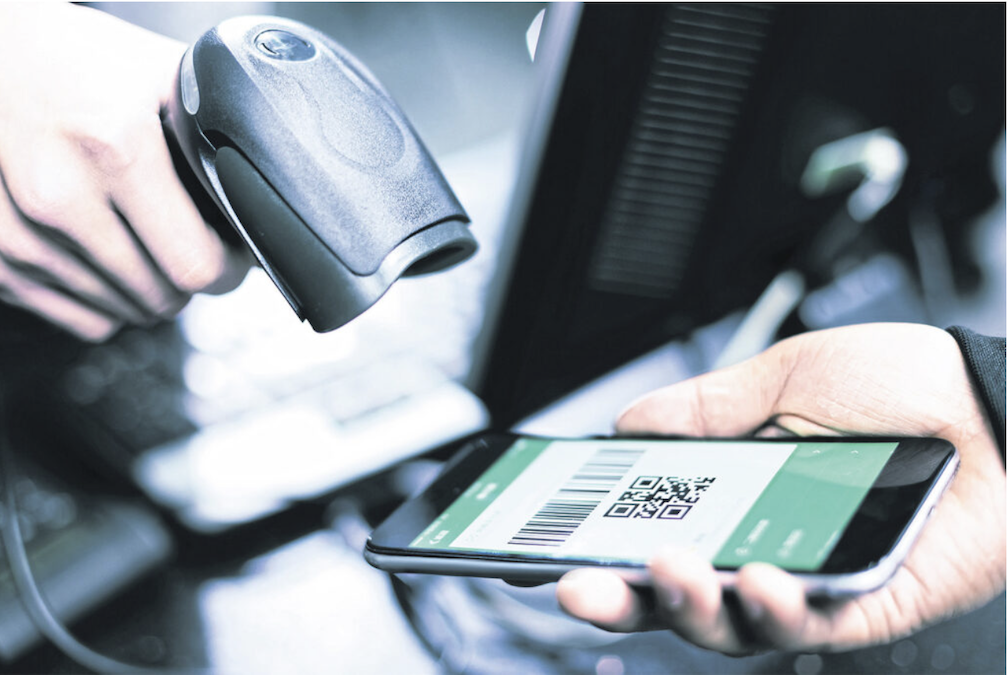
On a recent trip outside Metro Manila, I watched a familiar scene play out. A small eatery had a QR code taped to the counter — slightly faded, curling at the edges. A customer was asked, “Cash or QR”? He tried to pay using his phone.
The app loaded. Then stalled. The signal dropped. After a few awkward seconds, the cashier smiled, reached for a small metal tray, and said what Filipinos have said for decades: “Cash na lang po.”
The transaction ended in seconds.
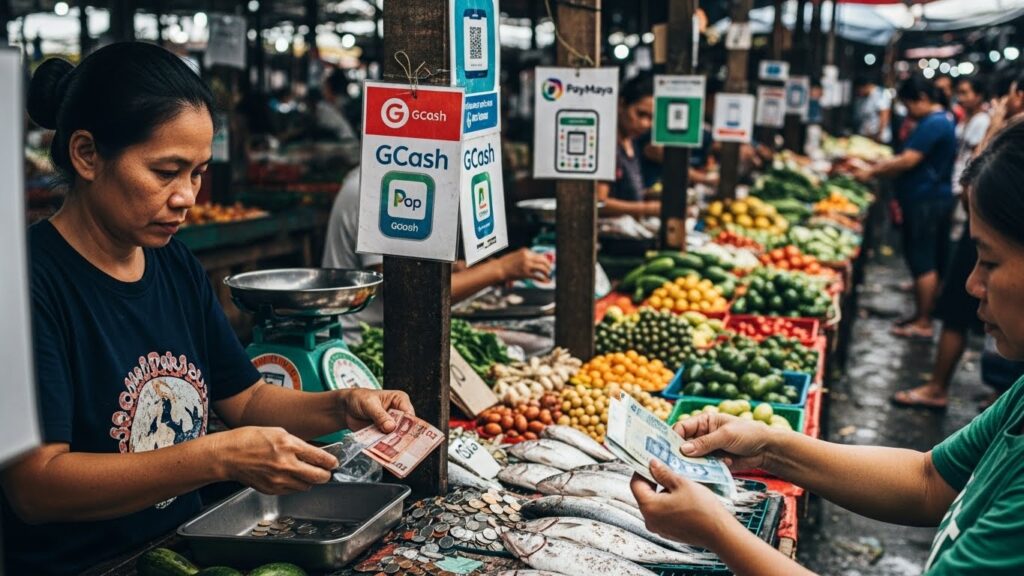
This moment wasn’t unusual. For all the talk of a cashless Philippines (BSP), many daily transactions still resolve themselves the same way they always have: with bills, coins, and exact change. As a tech worker, I understand how QR systems are supposed to work.
As a Filipino moving through provincial cities, rural towns, wet markets, and jeepneys, I also understand why they often don’t.
The question Filipinos ask at the counter — cash or QR? — is not about technology. It is about trust, risk, and context.
The myth of a fully cashless Philippines
Over the past few years, digital payments in the Philippines have grown rapidly. QR Ph adoption, e-wallet downloads, and government targets around financial inclusion all point in the same direction: less cash, more digital rails. On paper, the trajectory looks clear.
On the ground, it looks messier.
QR codes are visible almost everywhere now — from malls and coffee shops to tricycles and sari-sari stores. But visibility does not always translate to use. Many merchants display QR codes because they were encouraged to, or because it signals modernity. Whether they prefer to use them is another question.
What often gets missed in “cashless” narratives is that adoption is not binary. Filipinos are not choosing between old and new systems in the abstract. They are making micro-decisions multiple times a day, weighing speed, reliability, and the consequences of failure.
Where QR payments actually work
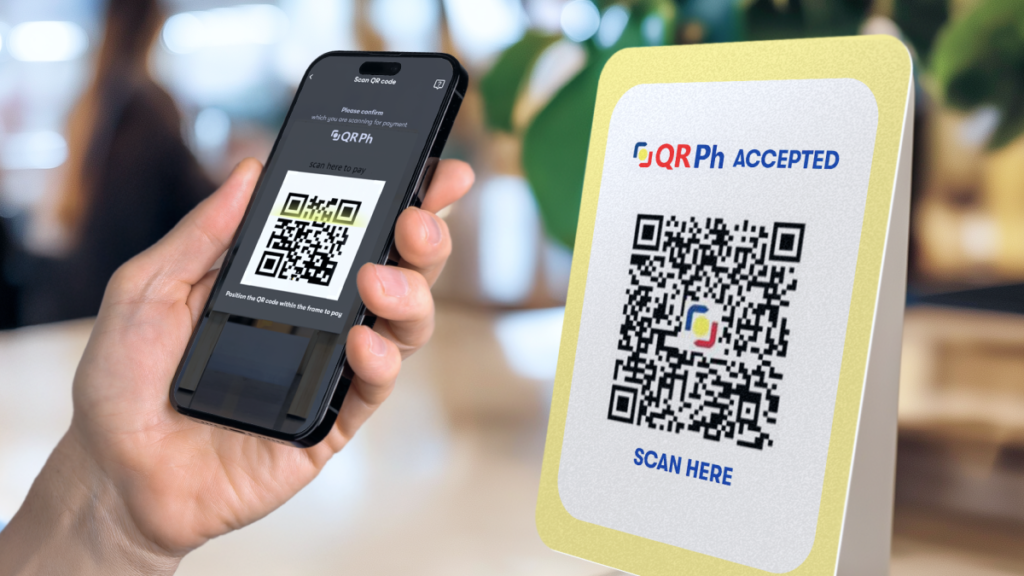
QR payments thrive in certain environments. In provincial cities, business districts, cafés, and chain establishments, paying via QR often feels seamless. Customers tend to be salaried workers with stable incomes, personal smartphones, and consistent mobile data. Merchants usually have better connectivity and clearer reconciliation processes.
In these spaces, a failed transaction is inconvenient but recoverable. If a payment doesn’t push through, both sides know what to do: retry, refresh, or switch methods. There is confidence that the system will eventually work as intended.
QR also works well for peer-to-peer transfers. Sending money to family, splitting a bill with friends, or paying a known seller online are all low-friction use cases. Trust already exists between the parties; the platform simply acts as a tool.
This is important to acknowledge. QR payments are not failing everywhere. They are succeeding where the conditions are right.
Where cash refuses to disappear
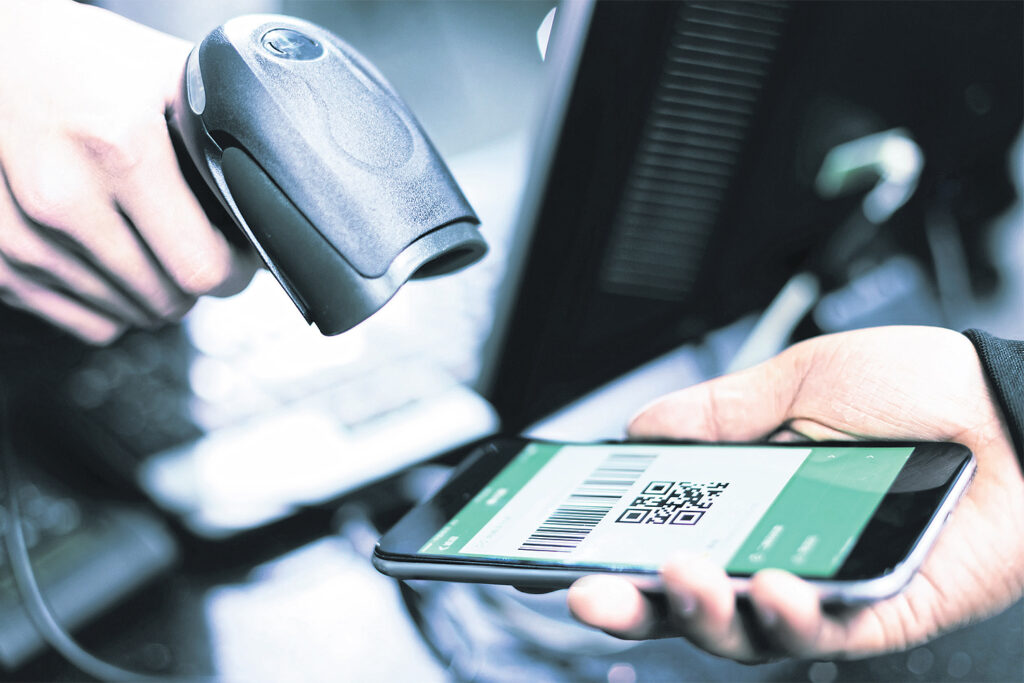
Step outside those conditions, and the picture changes.
In wet markets, rural towns, jeepneys, and small roadside stores, cash remains dominant — not out of nostalgia, but practicality. Transactions here are fast, margins are thin, and trust is built face-to-face. Sellers handle dozens, sometimes hundreds, of small payments a day. Every delay matters.
Cash is immediate. It does not buffer. It does not require a signal, an app update, or backend reconciliation. Both parties can see the transaction complete in real time.
More importantly, cash failures are loud. If there is no change, everyone knows. If a bill is fake, it is noticed. Digital failures, by contrast, are often silent: a pending status, a delayed confirmation, a balance that doesn’t update. For small merchants, this uncertainty is risk.
Payment choice as a measure of trust
When Filipinos choose cash over QR, they are not rejecting technology. They are expressing where their trust lies.
- Trust in mobile data that doesn’t drop mid-transaction.
- Trust in platforms that won’t freeze accounts without explanation.
- Trust in dispute-resolution systems that actually resolve disputes.
For many users — especially those with irregular incomes — losing even a small amount to a failed digital transaction can disrupt a day’s budget. Cash, by contrast, offers control and visibility. You can see what you have left. You can physically separate money for different needs. You can hand it over and be done.
From this perspective, cash is not old-fashioned. It is resilient.
Age, class, and geography — without the stereotypes
It is tempting to frame payment preferences as a generational divide: younger people prefer QR, older people prefer cash. Reality is more nuanced.
Many older Filipinos manage money with extreme precision because they have to. Daily liquidity matters when income is informal or unpredictable. Digital wallets, with their layered interfaces and occasional glitches, introduce uncertainty into a system that already runs tight.
Geography matters too. In rural areas, network reliability cannot be assumed. A payment method that works only “most of the time” is not good enough when most transactions are essential.
Class also plays a role—but not in the way it is often described. People who cannot absorb losses are naturally cautious about systems they cannot directly control.
What this means for builders and policymakers
For fintech builders and policymakers, the lesson here is not to slow down innovation. It is to design with failure in mind.
Cash survives not because it is superior technology, but because it degrades gracefully. When it fails, it does so transparently. Digital systems need to earn that same level of trust — not through marketing, but through reliability, clarity, and accountability.
Forcing cashless systems into contexts where they increase risk will only entrench resistance. Respecting coexistence—allowing cash and QR to serve different needs — creates space for organic adoption.
The future of payments in the Philippines is not a clean handoff from cash to code. It is a long negotiation between systems, shaped by culture, infrastructure, and trust.
At the counter, when asked if it’ i’s cash or QR, Filipinos are not choosing the past or the future. They are choosing what works — right now.