
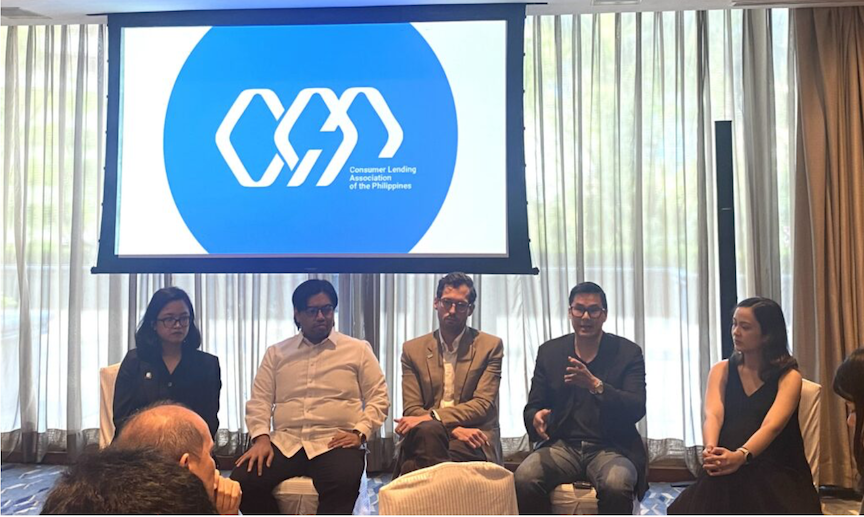
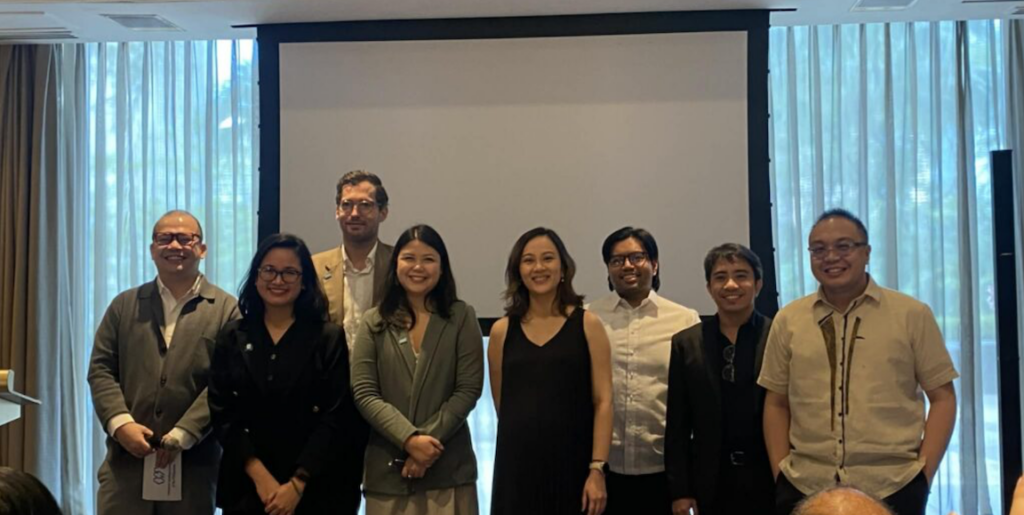
Panelists outline transparency, compassion, and industry accountability to strengthen borrower confidence.
The Philippines’ fast-growing digital lending sector is facing a pivotal test: can technology-driven lenders convince Filipinos that borrowing online is not only convenient, but also fair, safe, and humane?
According to the Consumer Lending Association of the Philippines (CLAP), as more consumers turn to digital credit for everyday needs, trust becomes the deciding factor between responsible innovation and harmful lending. This shift is pushing the industry to redefine what ethical fintech should look like — and to prove that digital finance can uplift rather than exploit.
CLAP has placed borrower trust at the forefront of its media engagement event late last week, as digital lending executives highlighted the reforms and practices they are adopting to strengthen relationships with Filipino borrowers.
Transparency as the foundation of trust
During the Q&A session, Francisco “Coco” Mauricio, CEO of JuanHand, stressed that trust must come from deliberate, transparent, and consistent efforts. He said Filipino borrowers expect clarity and honesty, especially amid the rising usage of online lending platforms.
“Building trust starts with transparency,” Mauricio said. “We make sure the product is easy to use, transparent in terms of fees, and fully compliant. What borrowers see is what they get—no hidden fees, no surprise charges, no advance deductions.”
Mauricio added that clear and accessible communication strengthens this foundation. “Borrowers should always be able to reach us, whether through live agents or 24/7 chat,” he said. “They deserve answers that are quick, seamless, and human.”
He also pointed to compliance with the Securities and Exchange Commission (SEC) as a trust anchor. He expressed support for the SEC’s plan to introduce a “trust mark” for compliant digital lenders. “If you’re compliant and reputable, you deserve a trust mark,” he said. “It’s something borrowers can look for easily.”
Compassionate lending practices
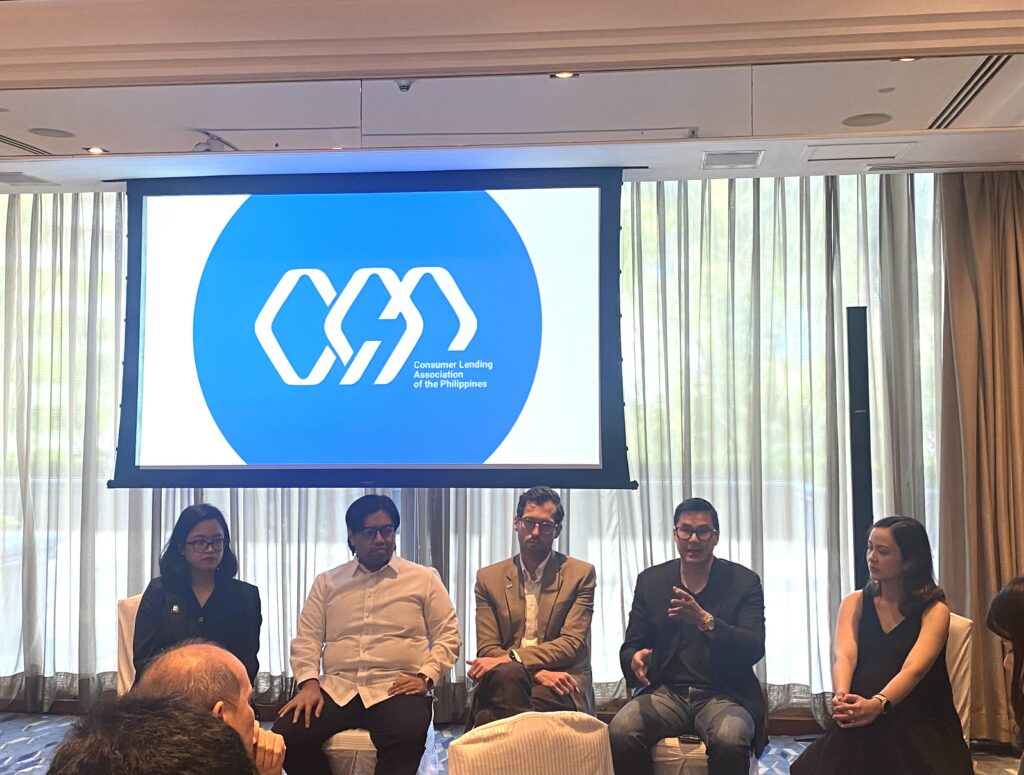
Skyro Chief Operating Officer and CLAP Treasurer Ira Franco acknowledged that the digital lending sector continues to battle public skepticism. She said new industry players like Skyro, now only three years old, must work twice as hard to prove their trustworthiness.
“There’s so much negative press around the industry,” Franco said. “The onus is on players like us to demonstrate that we are responsible and trustworthy.”
Franco highlighted the role of compassion, especially in a country frequently battered by calamities. She said trust grows when lenders show empathy and collaborate with borrowers during emergencies.
“Being available on chat or phone is one thing,” she said. “But when a customer calls and says they’ve just been hit by a typhoon and can’t pay yet, compassion matters. We’re proactive in reaching out to customers in affected regions to ask if they’re safe and if they need restructuring.”
This approach, Franco noted, helps borrowers understand the value of formal lending channels. “Formal lenders like us don’t just comply with regulations — we also uphold sustainable and humane business practices,” she said. “This is what sets us apart from informal lenders.”
Industry-wide code of conduct
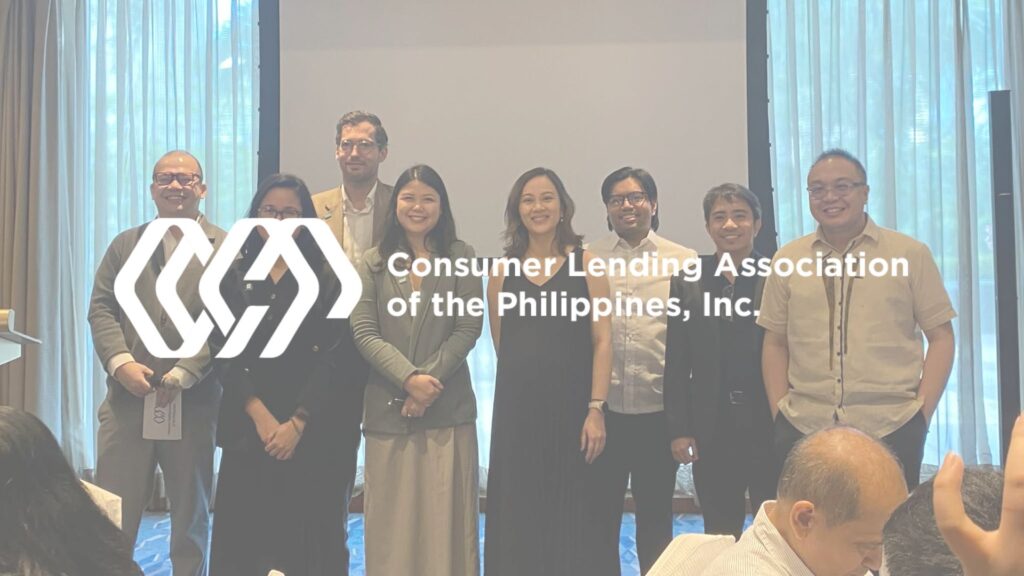
CLAP President and TALA Financing Philippines External Affairs Director Atty. Arianne Ferrer emphasized that trust must come not only from individual companies but from unified industry standards.
“You can trust us to hold each other accountable,” Ferrer said. She explained that CLAP is finalizing its draft code of conduct in collaboration with other trade associations. When completed, the code will set clear ethical guidelines for all member companies.
Ferrer said the framework specifically prohibits abusive and unethical practices that have long tainted the reputations of informal lenders. “No threats, no harassment, no fake court orders or fabricated warrants,” she stressed. “This is our promise — not just to regulators, but to consumers.”
She added that CLAP intends to champion these standards in 2025 and 2026 as part of its long-term commitment to improving the digital lending landscape. “You can trust us, and we will prove that we deserve that trust,” Ferrer said.
A unified push for responsible digital lending
As online lending becomes more widespread across the Philippines, CLAP leaders say the industry must push beyond compliance and demonstrate genuine care for borrowers.
The panel agreed that transparency, compassion, accessible customer support, and association-wide accountability form the pillars of a healthier, more trusted lending sector.
With CLAP’s pledge to strengthen its ethical standards and the growing adoption of pro-consumer practices among member companies, industry leaders believe they can help usher more Filipinos into safe, sustainable, and responsible borrowing environments.