

The Philippines is set to benefit from more advanced storm and flood forecasting capabilities as Google’s AI-powered weather models are officially being integrated into the strengthened collaboration between the Philippine Atmospheric, Geophysical and Astronomical Services Administration (PAGASA) and global weather intelligence firm Weathernews Inc. (WNI).
The partnership aims to enhance the country’s ability to anticipate extreme weather — an increasingly urgent priority in one of the most climate-vulnerable nations in the world.
The country’s position along the Pacific typhoon belt exposes it to an average of 20 tropical cyclones every year, a number expected to intensify as climate change accelerates. Improving the accuracy and timeliness of weather forecasting has long been seen as critical to reducing casualties, minimizing economic losses, and supporting more efficient disaster preparedness operations.
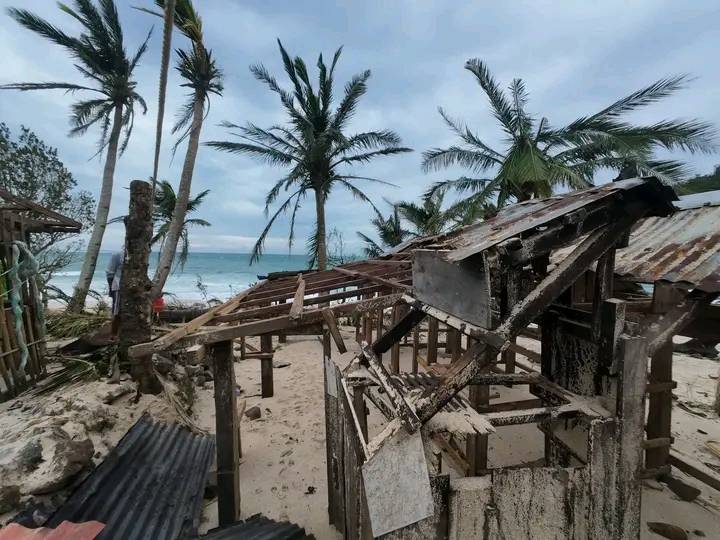
Google’s AI models — developed for flood forecasting and tropical cyclone prediction — will now be part of the forecasting toolkit used by PAGASA and WNI, providing forecasters with more advanced and granular insights into the trajectory, intensity, and potential impact of storms that enter the Philippine Area of Responsibility.
Bringing AI-driven climate intelligence to the forefront
Google has been investing heavily in applying artificial intelligence to climate resilience initiatives worldwide. By integrating its forecasting models into local institutions rather than deploying them independently, Google says it aims to empower on-the-ground experts who understand local terrain, infrastructure challenges, and community needs.
“Improving the ability to forecast storms is a critical step in keeping Filipino communities safe,” said Prep Palacios, Country Manager, Google Philippines. “By bringing our AI models to PAGASA and WNI, we are giving forecasters a more complete picture of a storm’s potential impact. We hope that this initiative will help improve disaster preparedness and build a safer Philippines, especially during typhoon season.”

Prep Palacios, Country Manager of Google Philippines
Google’s cyclone prediction model is trained on global historical storm data and produces rapid forecasts using AI computation rather than traditional numerical weather prediction (NWP) models that require large-scale supercomputing infrastructure.
Meanwhile, its flood forecasting AI leverages satellite imagery, hydrologic data, and river basin characteristics to simulate flood behavior with higher accuracy.
The combination of these models, according to Google, enables forecasts to be generated more quickly and with potentially greater precision — crucial during fast-developing tropical systems.
PAGASA and WNI strengthen collaboration
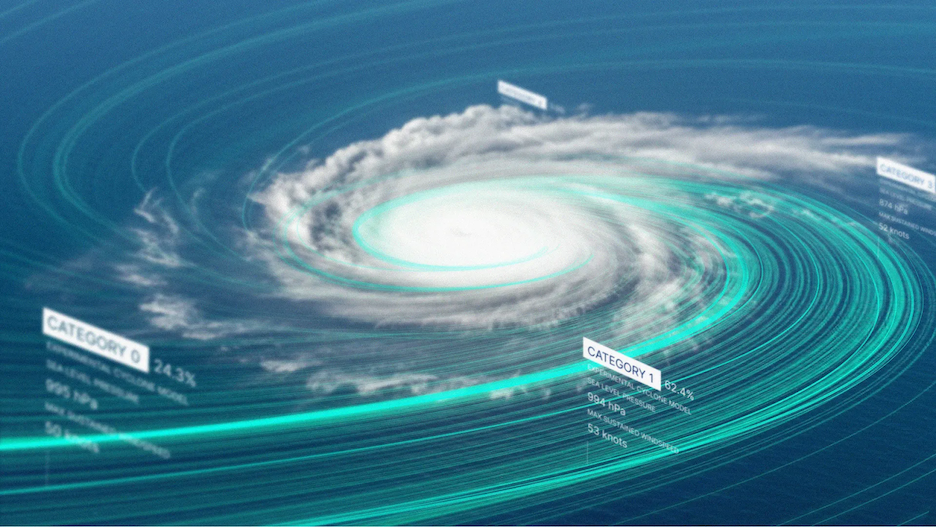
WNI, a leading provider of global weather information services, has been working closely with PAGASA on capacity building, data sharing, and modernization of forecasting tools. The integration of Google’s AI models into this ecosystem aims to deliver more reliable multi-model insights that strengthen early warning systems.
“We are pleased to see this partnership between WNI and PAGASA progress and hope our models can continue to make a positive contribution to forecasting in the Philippines,” said Raia Hadsell, VP of Research, Google DeepMind.
Yossi Matias, Vice President & GM of Google Research, said the initiative demonstrates how public-private collaboration can amplify the impact of new technologies. “AI models, along with strong partnerships with governments and expert agencies like WNI, are key to building climate resilience, improving disaster preparedness, and making communities safer,” Matias said.
Why this matters for the PH fintech sector
While the announcement centers on weather forecasting, its implications extend into the fintech and broader digital economy landscape.
Extreme weather events consistently disrupt financial services — from mobile wallet uptime and branch operations to cash logistics and payments infrastructure. In recent years, typhoons have knocked out connectivity in entire provinces, delayed fund transfers, and interrupted digital merchant operations.
For fintech players operating in a 24/7, mobile-first environment, reliable climate intelligence is increasingly becoming a strategic necessity.
More accurate and earlier storm forecasts can:
- Improve business continuity planning for banks, e-wallets, and payments platforms
- Enable fintech firms to anticipate surge demand, such as emergency cash transfers or relief disbursements
- Support insurers and insurtech startups in developing more precise risk models
- Enhance disaster-response fintech solutions, including rapid digital aid distribution
Strengthening national forecasting capability ultimately strengthens the digital infrastructure on which the fintech ecosystem depends.
Toward a more climate-resilient digital economy
As climate risks grow, digital transformation in the Philippines will require parallel investments in resilience. The collaboration among Google, PAGASA, and WNI signals how AI-driven technologies can support not only public safety but also the stability of the country’s increasingly digital financial system.
By equipping local forecasters with advanced AI models, the Philippines is taking a meaningful step toward safeguarding both communities and the digital services that keep the economy moving.