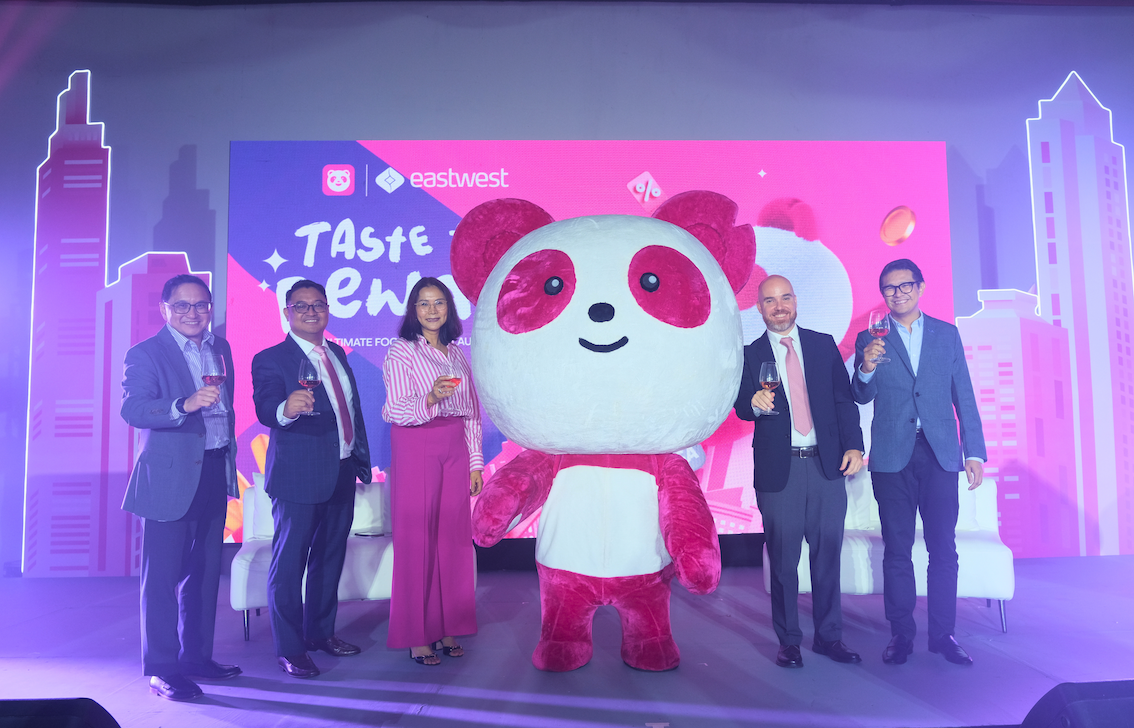
EastWest Bank, foodpanda, and Visa have introduced a new co-branded credit card aimed at accelerating digital payment adoption in the Philippines — particularly among younger consumers who favor convenience, delivery services, and contactless transactions.
The EastWest foodpanda Visa Credit Card, launched on November 25 in Makati, is positioned as a lifestyle-focused product that rewards users for everyday spending. It offers weekly cashback incentives for foodpanda purchases along with benefits for overseas and local transactions.

The partnership seeks to convert more Filipinos from cash to digital payments, including many who still prefer cash-on-delivery for online orders.
A card for the “crave-now, pay-digital” generation
Cardholders earn 10% cashback on foodpanda orders (capped at ₱400 monthly), with an ongoing 3% cashback even after reaching the limit. Additional rewards include 1% cashback on overseas spending and 0.3% cashback on other local transactions, subject to a total cashback cap of ₱1,000 per month across all categories.
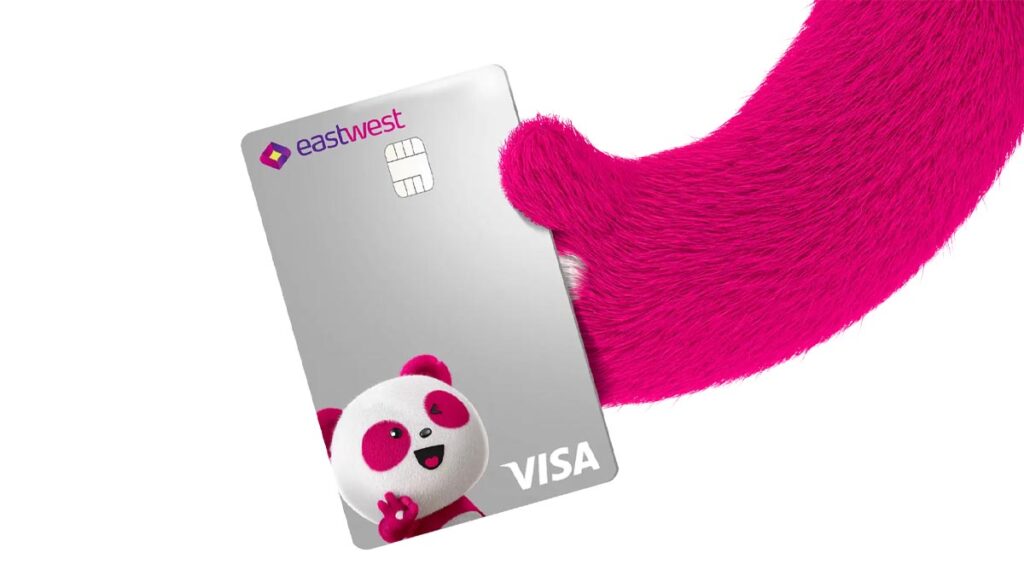
Cashback is credited weekly via pandapay, a model the companies say reflects the “instant gratification” mindset of delivery-driven consumers.
“We built this card around what our customers love most—food, convenience, and crave-on-demand,” said Daniel Jaramillo, Managing Director of foodpanda Philippines, noting that a large portion of the platform’s users still pay in cash. “We want to help them shift to digital options that are easier, simple, and flawless.”
EastWest targets new credit customers through everyday spending
For EastWest Bank, the collaboration is part of a broader push to grow its credit portfolio by aligning with lifestyle-driven spending habits that have surged alongside e-commerce and on-demand services.
EastWest CEO Jerry Ngo said the bank sees strong potential in foodpanda’s estimated four million users.
“This partnership allows us to bring credit to a consumer base that already transacts frequently but may not yet be using credit products,” Ngo said. He added that the card supports tap-to-pay through Visa’s NFC technology, reinforcing the shift toward seamless, contactless payments.
EastWest also supports Google Pay, which quietly rolled out in the Philippines this year, further expanding the bank’s suite of mobile and contactless payment options.
Visa sees lifestyle partnerships driving the next wave of digital payments
Visa Philippines Country Manager Jeff Navarro emphasized that lifestyle-focused cobranded cards are shaping the future of digital payments, particularly among younger consumers who prefer rewards tied to routine purchases.
“Our goal is to provide fast, seamless, and secure payments that enhance how Filipinos dine and shop, both online and offline,” Navarro said.

Launched ahead of peak holiday spending
The timing of the launch coincides with the year-end spending season, when food-related expenses rise due to parties, reunions, and holiday gatherings. Foodpanda executives noted that Filipino consumers typically allocate a substantial portion of their December budgets to food—offering a strategic window for customer acquisition.
Competing in a crowded lifestyle card market
While the Philippines has an expanding field of cobranded cards, the EastWest–foodpanda–Visa partnership sets itself apart through its weekly cashback structure and integration with a major delivery platform. The card also aims to convert cash-on-delivery users into fully digital consumers—a segment many banks have struggled to reach.
Unlike premium cards that focus on travel or luxury rewards, this product targets day-to-day micro-spending, one of the country’s largest untapped markets for credit growth.

Supporting the push for digital financial inclusion
As the Bangko Sentral ng Pilipinas continues to promote digital finance, partnerships like this one offer a practical way to influence spending behavior by embedding rewards into platforms Filipinos already use frequently.
Whether the EastWest–foodpanda – Visa card becomes a major driver of credit adoption remains to be seen. But its strategy is clear: meet consumers where they are—on their phones, ordering meals, and tapping to pay.