




For many Filipinos, budgeting and saving money can feel increasingly difficult.
Rising food prices, transportation costs, utility bills, and family obligations often leave little room for setting aside funds at the end of the month. While increasing income remains an important long-term goal, personal finance experts say that building savings often starts with a more fundamental question: where is money actually going?
The answer is not always obvious.
Many households focus on major expenses such as rent, groceries, and debt payments. However, small daily purchases, delivery fees, and impulse online shopping can quietly consume a significant portion of monthly income without attracting much attention.
That is why budgeting systems that prioritize simplicity are gaining traction among Filipinos looking for practical ways to manage their finances.
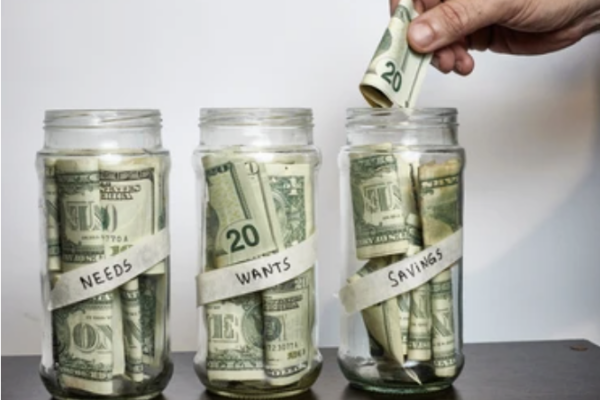
One approach that has resonated with many consumers is a localized version of the “envelope budgeting” method — a strategy designed to help people allocate their income immediately after payday and reduce the temptation to overspend.
The 4-envelope rule (Filipino version)
The envelop system concept is straightforward.
Instead of tracking every peso spent throughout the month, individuals divide their take-home pay into four primary categories as soon as they receive their salary.
A common allocation looks like this:
| Category | Allocation |
|---|---|
| Essentials (bills, food, transport) | 50% |
| Support (family, remittances) | 20% |
| Savings | 20% |
| Personal (wants, leisure) | 10% |
For someone earning ₱25,000 per month after deductions, this framework would automatically allocate ₱5,000 toward savings.
The objective is not to create rigid restrictions but to establish clear boundaries for spending before expenses begin accumulating.
Budgeting specialists often note that people are more successful when they decide how to use their money in advance rather than relying on whatever remains at the end of the month.
Unfortunately, for many households, there is often very little left over by payday’s next cycle.
The hidden budget leaks

One reason saving can feel difficult is that spending leaks are often dispersed across numerous small transactions.
Individually, these purchases may seem insignificant. Collectively, however, they can represent thousands of pesos each month.
Food purchases are a common example.
A daily snack, coffee, or convenience-store meal costing between ₱50 and ₱100 may not seem excessive. Yet over a month, those expenses can accumulate to anywhere between ₱1,500 and ₱3,000.
Delivery fees present another challenge.
As food delivery and e-commerce platforms continue to grow in popularity, consumers are increasingly paying convenience fees that may range from ₱30 to ₱80 per transaction. Multiple orders per week can significantly increase monthly spending without consumers fully realizing the impact.
Online shopping platforms also contribute to budget leakage.
Flash sales, vouchers, and limited-time promotions can create a sense of urgency that encourages unplanned purchases. While individual items may appear affordable, repeated transactions can gradually erode disposable income.
According to consumer spending trends observed in recent years, convenience and digital purchasing have become deeply embedded in everyday financial behavior, making conscious spending decisions more important than ever.
Why “pay yourself first” still works
IMAGE CREDIT: stock.adobe.com/ph
Among the most frequently cited personal finance principles is the concept of “pay yourself first.”
The strategy reverses the way many people think about saving.
Instead of paying bills, making purchases, and then attempting to save whatever remains, individuals transfer a predetermined amount into savings immediately after receiving their salary.
This approach treats savings as a non-negotiable expense rather than an optional leftover.
In practical terms, a worker targeting ₱5,000 in monthly savings would move that amount into a separate account as soon as payday arrives.
The psychological benefit is significant.
Once money is transferred out of a primary spending account, there is less temptation to gradually spend it throughout the month.
Many digital banks (think Maya, GoTyme Bank, Tonik Bank, or UnionDigital Bank) now offer features that support this behavior, including automated transfers, goal-based savings accounts, and separate savings “vaults” that help users keep funds earmarked for specific purposes.
Some savers even assign personal labels to these accounts as a reminder that the money is intended for long-term goals rather than everyday spending.
One week of tracking can reveal a lot
IMAGE CREDIT: Freepik
Budgeting is often associated with extensive spreadsheets and detailed financial records.
In reality, experts suggest that even a short period of expense tracking can provide valuable insights.
Tracking spending for just one week can reveal patterns that might otherwise go unnoticed.
Consumers may discover how frequently they order food delivery, purchase convenience-store items, or make impulse online purchases.
Fortunately, modern financial tools have made the process easier.
Many digital wallets and banking apps automatically record transactions, allowing users to review their spending history without maintaining a manual ledger.
Free budgeting applications also provide categorized spending reports that help consumers identify recurring expenses.
The goal is not perfection. Rather, it is awareness. Once spending habits become visible, making adjustments becomes significantly easier.
Budgeting should not feel like punishment
One common misconception about budgeting is that it requires eliminating all non-essential spending.
Financial planners generally caution against this mindset.
A budget that removes every enjoyable purchase can be difficult to sustain over the long term.
Instead, successful budgeting often focuses on intentional spending.
Consumers can still enjoy restaurant meals, streaming subscriptions, hobbies, or occasional treats. The difference is that these expenses are planned and accounted for within a broader financial framework.
When discretionary spending has a designated place in a budget, people are less likely to experience the guilt or frustration that often accompanies impulse purchases.
The objective is balance rather than deprivation.
Small habits, bigger outcomes
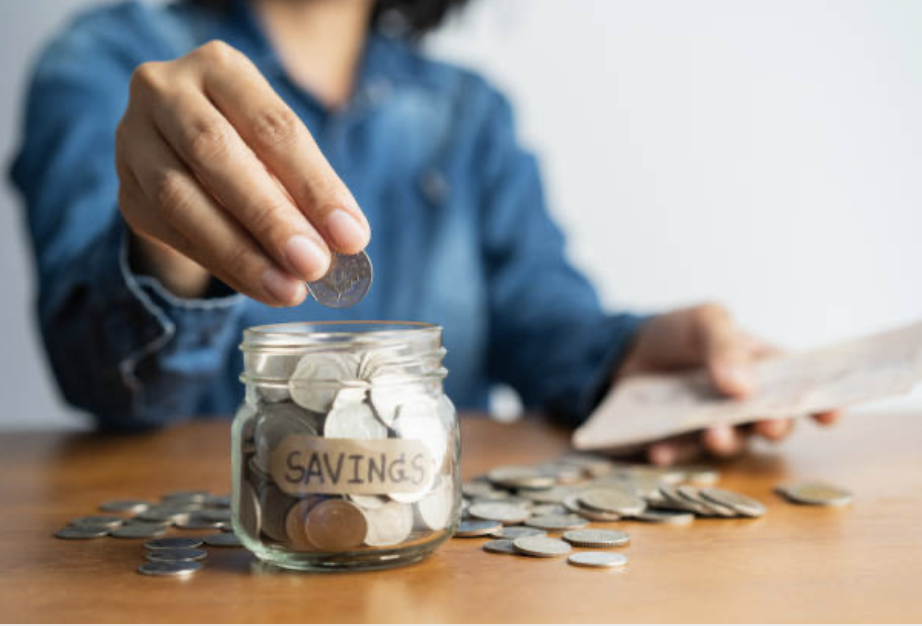
IMAGE CREDIT: stock.adobe.com/ph
Saving ₱5,000 a month may not seem transformative at first glance.
Over time, however, the numbers become more meaningful.
Maintaining that habit for a year results in ₱60,000 in savings — enough to establish an emergency fund, finance a family vacation, cover unexpected medical expenses, or provide a starting point for investing.
More importantly, the habit creates financial resilience.
In an environment where economic uncertainty, inflation, and unexpected expenses remain realities for many households, consistently setting aside even a modest amount can improve financial stability over the long term.
While no budgeting system works for everyone, the four-envelope approach demonstrates that saving is not always about earning dramatically more money. In many cases, it begins with creating a simple structure, understanding spending habits, and making small adjustments that compound over time.
For Filipinos looking to strengthen their financial health, the first step may be less about finding extra income and more about giving every peso a purpose.
Sources: BPI AIA Budgeting Guide (bpi-aia.com.ph); NIQ Filipino Consumer Report 2026 (nielseniq.com)